
Homeopathic Medicines for Winter Season

Winter season is the season of common cold, cough, fever, and congestion. It affects almost everyone from children to adults. Homeopathy is an effective way to treat these diseases. It stimulates the body to heal itself. Homeopathy treats the root cause of the disease and the medicines and dosage are dependent on the symptoms of the patient. You must always consult a doctor before taking any medication so that you drive the most benefit of the treatment. The homoeopathic medicines for cold and cough vary according to the symptoms.
Coughs
Coughs clear the airways of unwanted mucus and irritants. Every cough is different and the treatment for each is different. Dry coughs usually produce no mucus. There is a slight irritant in the throat while loose coughs produce a lot of mucus and there is rattling in the throat.
Homeopathic Medicines for Cough & Cold
- In the case of dry coughs with severe pain, you may go for Bryonia.
- In the case of dry tickling cough accompanied with a chest infection, Phosphorous may be helpful.
- In the case of loose rattling cough with shortness of breath, the best remedy is Antimonium tart.
- For a tickling cough accompanied by scant expiration, you should opt for Causticum.
Also Read How to Prevent Skin Diseases this Winter Season?
Fever
Fever develops mostly as a result of infections. Fever also has a variety of symptoms and the treatments differ accordingly.
Homeopathic Medicines for Fever
- For a fever that strikes suddenly the following exposure to cold air or the wind the best homoeopathic remedy is Aconite.
- In another type of fever, when the head is hot and the hands and body are cold, you should opt for Arsenicum.
- In the case of a sudden intense fever usually accompanied with delirium, the best homoeopathic remedy is Belladonna.
In some cases, the homoeopathic medicines for fever are accompanied with homoeopathic medicines for cough & cold. This is when there are symptoms of both. For the exact combination and dosage of medicines, you should consult a homoeopathic doctor or consultant.
-
Product on sale
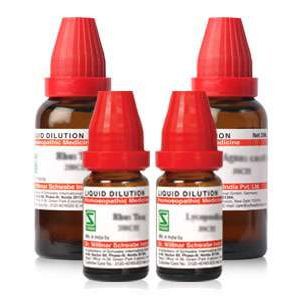 Causticum CH
₹110.00₹88.00 -
Product on sale
 Antimonium tartaricum CH
₹110.00₹88.00 -
Product on sale
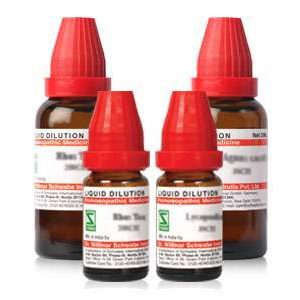 Arsenicum album CH
₹110.00₹88.00
More Articles

Can Allergies Cause a Blocked-Ear Sensation?
Discover how allergies may lead to a blocked-ear sensation, understand the symptoms involved, and learn when persistent discomfort needs attention.

7 Drinks That May Help Reduce Mild Finger Swelling
Learn about seven hydrating drinks that may help ease mild finger swelling, support circulation, and promote overall fluid balance and joint comfort.

Hair Breakage Vs. Hair Loss: Why Knowing The Difference Matters
Understand how hair breakage differs from hair loss, what causes each, the signs to watch for, and simple hair-care habits that can help protect hair health.

The Link Between Dry Air and Persistent Throat Discomfort
Learn how dry air affects your throat, why discomfort may persist, and explore practical tips to reduce irritation and support better throat health.

Listen to Your Body: A Preventive Approach to Health with Homoeopathy
Explore how homoeopathy encourages preventive healthcare by understanding your body’s signals. Discover holistic wellness practices to support healthier living.

Recognising Signs of Excess Energy and Restlessness in Kids
Discover common signs of restlessness and high energy in children, understand possible triggers, and learn healthy ways to support their focus and well-being.