
Effects of Diabetes, Smoking, and Other Factors on Sexual Health

Sexual Dysfunction – An Introduction
Sexual dysfunction is defined as the difficulty in being involved in a sexual act during any stage of normal sexual activity, which includes physical pleasure, desire, preference, arousal, or orgasm. The WHO refers to sexual dysfunction as a “person’s inability to participate in a sexual relationship as they would wish.” Sexual dysfunction, according to the psychiatric disorder’s classification, is stated as “a person to feel extreme distress and interpersonal strain for a maximum of six months.” It disturbs the normal quality of life of a person. Sexual disorder is classified into four types such as sexual desire disorders, arousal disorders, orgasm disorders, and pain disorders.
Effects of Diabetes on sexual health
Diabetes is a chronic metabolic disorder that affects multiple organs, and it is considered a serious problem as it has many complications. The long-term complications are heart disease, hypertension, neuropathy, angiopathy, joint diseases, and sexual dysfunction in both men and women. Erectile dysfunction is the most common complication of Diabetes in men. It is more prevalent in diabetic men than non-diabetic men. As Diabetes affects the blood and vascular system, the blood supply to the reproductive organs is reduced. The circulation is disturbed in this region. There are low testosterone levels, nervous disorders, and due to any medical and surgical treatment. It is also proven that some psychological problems or emotional problems can also be one of the important factors for sexual dysfunction. Due to an increase in glucose levels, the oxidation process, and over-production of reactive oxygen, there is an occurrence of events such as reduced NO, increased prothrombotic factors, and an increase in endothelin, with subsequent thrombosis and vasoconstriction leading to lowered blood supply to the sexual organs. The sensory and motor impulses from the sexual organs to the brain center are impaired due to peripheral neuropathy caused by Diabetes. Autonomic neuropathy leads to the absence or decrease in parasympathetic activity, which is responsible for the relaxation of the smooth muscles of the penis. It affects both the initiation and maintenance of an erection.
Smoking and Impotence
Cigarette smoking is a leading cause of many diseases and fatal conditions and is one of the important factors for sexual dysfunction. There is a well-established connection between smoking and erectile dysfunction, and many studies have proved the linkage in which the nitric oxide signal transduction pathway is affected. Cigarette smoking affects the cardiovascular system, which in turn affects the vascular supply to the sexual organs, leading to erectile dysfunction and impotence. Normally, penile erection requires the relaxation of smooth muscles and dilation of penile arteries, allowing the blood supply to flow within the tissues. The parasympathetic nervous system facilitates this mechanism. Nitric oxide helps in the parasympathetic action of penile erections. Nitric oxide pathways and neuronal and endothelial mechanisms have been affected by smoking. The tobacco from the cigarette smoke is responsible for the blockage of Nitric oxide synthesis. It damages the endothelium and impairs the vasodilation. Superoxide anions produced by the metabolites from cigarette smoke decrease the level of free nitric oxide, thereby affecting vasodilation.
Erectile dysfunction
Erectile dysfunction, also called impotence, is a type of sexual dysfunction characterized by the persistent or recurring inability to achieve or maintain a penile erection with sufficient rigidity and duration for satisfactory sexual activity. It is the most common problem encountered in males, which can cause psychological problems leading to disturbance in personal life. Certain factors contribute to this condition, such as vascular, neurological, penile, hormonal, and drug-induced. Other factors are aging and underlying systemic diseases like diabetes, cardiovascular, hypertension, obesity, hypercholesterolemia, hypogonadism, smoking, depression, and substance abuse.
Targeted Remedies for This Health Concern
Natural homoeopathic formulations selected according to Materia Medica indications.

Dizester
Libido and hormonal imbalance
Libido is the psychic drive or energy which is sexual and also includes other forms of desire. It varies from person to person, preferences, and life situations. It can be affected by any medical conditions, hormone changes, medications, lifestyle, and psychological problems, including relationship issues. Our daily functions and bodily reactions, including sleep, digestion, sexual functions, and other activities, are controlled by hormones. Hormonal imbalance happens with the aging process and even at a younger age. In the case of women, it occurs naturally as age advances, which can cause low libido. Testosterone levels also decline with age, leading to a lack of sexual desire and erectile dysfunction. Testosterone is responsible for maintaining the structural and functional integrity of the male sexual organs. It helps develop secondary sexual characteristics in boys, like increased muscle mass and bone mass, bone strength, and other bodily functions. In the case of hormonal imbalance, the men feel extreme tiredness, mood swings, depression, irritability, memory loss, and low sexual drive.
How to manage sexual dysfunction
The aim is to find the condition’s cause by investigating the underlying medical problems and framing the management strategy. In the case of Diabetes, the person should be examined thoroughly and advised to control the Diabetes by administering proper medications and diet restrictions. The weakness due to Diabetes and other conditions is to be improved by vitamin and dietary supplements. Smoking should be controlled by proper education, psychotherapy, aversion therapy, and nicotine replacement therapy. Sexual wellness is achieved by counseling, couples therapy, sex therapy, anti-stress therapy, yoga, hormonal supplements, adopting healthy food habits, physical exercise, therapy for stress and depression, and lifestyle modification.
Homeopathic remedies
Homeopathy is a holistic medicine that focuses on the patient’s mental, emotional, and physical well-being. Sexual dysfunction is a condition that requires a holistic approach as it involves both the mind and body. Homeopathic treatment concentrates on mental well-being, which curatively impacts the physical aspects. The process of individualization involves the history of the patient, including his tendencies, temperament, physical reactions, emotional reactions, genetic predispositions, personal history, family history, social and occupational history, general health conditions, medication and treatment history, current diagnosis and other mental symptoms which collectively gives a picture of the patient for which the suitable medicine is selected. The medicine chosen is constitutional, which is very effective in alleviating mental and physical symptoms. Some medicines are administered as a specific medicine, which will help manage the underlying medical conditions symptomatically.
Curated Diabetes & Blood Sugar Support Care Routine
A gentle 2-step homoeopathic routine formulated with traditional botanical extracts for daily wellness.
Clinically recognized for prompt reduction in blood glucose and thirst.
Formulated specially for diabetics to combat physical and nervous exhaustion.
Recommended Reading
View All Articles →
Tech Neck Prevention: Simple Habits For A Healthier Neck
Discover easy ways to prevent tech neck, from better screen posture to regular stretches and breaks, helping reduce strain and support a healthier neck.
 Dr Jeetesh Singh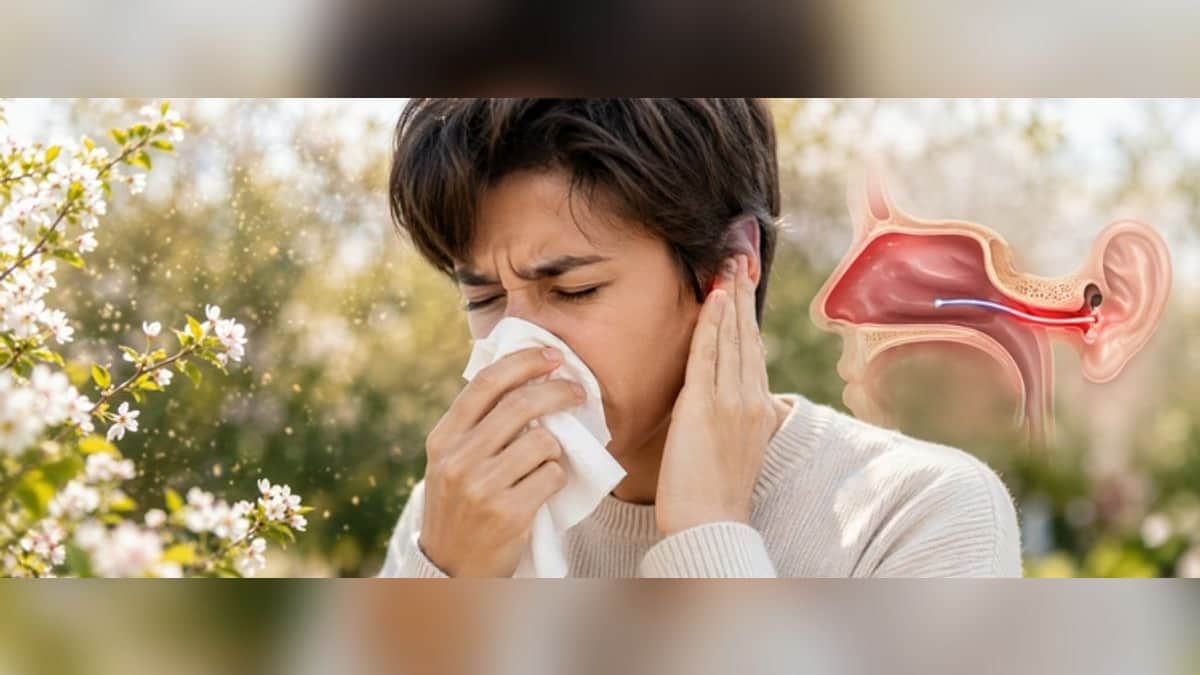
Can Allergies Cause a Blocked-Ear Sensation?
Discover how allergies may lead to a blocked-ear sensation, understand the symptoms involved, and learn when persistent discomfort needs attention.
Dr Jeetesh Singh
Listen to Your Body: A Preventive Approach to Health with Homoeopathy
Explore how homoeopathy encourages preventive healthcare by understanding your body’s signals. Discover holistic wellness practices to support healthier living.
Dr Jeetesh Singh