
Why More Women Are Turning to Homeopathy for PCOD/PCOS Treatment

Polycystic Ovarian Disease or PCOD is a complex metabolic, endocrine, reproductive, and psychosocial disorder that impacts the quality of life of a female patient. This syndrome significantly affects a woman’s psychosocial health as it impairs feminity due to menstrual abnormalities, infertility, obesity, hirsutism, hair loss, and facial acne.
It is a medical condition in women, where the ovaries produce many immature follicles, which, over time, become fluid-filled cysts on the ovaries. PCOS is a hormonal issue that affects around 5-10% of women their childbearing age. Though the prevalence of PCOD differs, it affects around 9% to 22% of women in India.
Ovaries are the primary reproductive organs of a female sexual system as it controls the menstrual cycle and production of hormones such as estrogen, progesterone, relaxin, etc. The accumulation of immature eggs swells the ovary and makes it release significant quantities of male hormones, thus causing infertility.
Due to the resulting hormonal imbalance, various symptoms occur, such as the absence of ovulation, irregular menstrual cycle, difficulty conceiving, weight gain, acne, hirsutism, etc. In addition, left untreated can lead to further health complications, like diabetes, obesity, heart disease, and high cholesterol levels.
Common Symptoms of PCOD
The early signs and symptoms of PCOD mainly develop during puberty. However, PCOD may also develop later due to increased weight.
There are various symptoms of PCOD. Some of the common signs are
- Increased androgen levels. Excess male sex hormones may result in multiple physical features, such as extra facial and body, male-pattern baldness, and irregular menstrual cycle.
- Difficult to get pregnant due to irregular and delayed or failed ovulation. The hormone imbalance in the body prevents the Graafian follicles from maturing and releasing the egg, causing delayed or failed ovulation. It affects the menstrual cycle and, thereby, the pregnancy. Most cases with PCOD have been identified accidentally when they go for any other problem or after many unsuccessful attempts to get pregnant.
- Hair loss or thinning of hair due to the increase in the production of male hormones in the body by the immature follicles.
Also Read Hormonal Imbalances and Homoeopathy
Causes of PCOD
Family History: PCOD is most common among women with a family history of PCOD, and it is likely to be complex, involving multiple genes.
- Insulin resistance: Most women suffering from PCOD develop insulin resistance. In this condition, the body’s cells cannot utilize insulin efficiently, increasing the body’s demand for insulin. So to compensate, the pancreas makes more insulin.
- Inflammation: PCOD leads to increased levels of inflammatory bodies in women. Being overweight also contributes to inflammation. This maybe be due to high levels of androgen hormones.
- Weight: Increased weight worsens insulin resistance and the symptoms of polycystic ovarian syndrome. Some women with PCOD do not show any signs in the early stages.
How is PCOD diagnosed?
There are no particular means to confirm PCOD, but the diagnosis is based on the medical history, family history, and physical examination.
Some of the tests to ensure PCOD are:
- A pelvic examination
- Blood tests to quantify hormone levels
- An ultrasound to detect any abnormalities in the ovaries and the uterus
- Regular checkups to assess the prognosis
What are other conditions associated with PCOD?
Various complications are the collateral of PCOD, mainly metabolic syndrome, consisting of high blood pressure, increased cholesterol, blood glucose levels, and cardiovascular diseases.
- Infertility and miscarriages due to irregular menses
- Gestational diabetes
- Sleep apnea
- Type 2 Diabetes
- Depression and other psychological disorders
- Endometrial cancer
- Acne vulgaris
- Chronic hepatitis
- Pre-diabetes or Diabetes
Treatment for PCOD
There is no cure for PCOD as of now. However, you can manage the condition with proper treatment and lifestyle modifications. The best way to treat PCOD is a multidisciplinary treatment that includes a gynecologist, endocrinologist, dietician, infertility expert, and dermatologist.
Women with PCOD should follow a proper schedule of working out, having a healthy lifestyle, and a balanced diet. They must reduce carbohydrates and sugar and have more high-fiber and high-protein food.
- Combined birth control pills are the primary mode of conventional treatment. These pills contain hormones progestin and estrogen that helps to reduce the production of the androgens and regulate the follicle-releasing hormones to produce a healthy egg. They also prevent acne and unwanted hair growth in the face and body.
- Progestin therapy. It takes ten to fourteen days every month or two to regulate the menstrual cycle.
- Various birth control pills are given to help reduce hair loss and increase hair growth on the scalp.
- Follow a diet with low fat and carbohydrate content. This prevents a sudden blood sugar level spike and helps keep the body weight in check.
There is no clear aetiopathogenesis for PCOD. But early detection or diagnosis of PCOD will be constructive in relieving the symptoms and reducing the complications.
PCOD treatment helps to manage many concerns, such as infertility, hirsutism, acne, immature follicles, obesity, etc. Treatment might also involve changes in food habits, lifestyle, and medication.
Preventing and managing PCOD
- Maintaining a healthy weight is crucial in managing PCOD. Weight loss can speed up the metabolism, balance the hormone levels, and reduce the androgen and insulin levels while restoring and regularizing ovulation.
- Eat a balanced and healthy diet. Contacting a dietician to help with weight control and plan a healthy diet according to the weight loss schedule is advisable.
- Limit the carbohydrate intake. A high-carb and low-fat diet can increase insulin levels instead of adding complex carbs.
- Exercising regularly will help keep your blood sugar levels in check. In women with PCOD, daily physical activity can help prevent insulin resistance. At least a workout or brisk walk for 30 minutes of exercise every day can bring out considerable weight loss.
- Medicines reduce blood glucose levels, regulate ovulation and periods, treat acne, and prevent endometrial cancer.
- Add foods with anti-inflammatory properties, such as green leafy vegetables, tomatoes, olives, tree nuts, fatty fish, etc.
- Take iron-rich foods, such as broccoli, spinach, dates, etc.
- Magnesium-rich foods bananas, spinach, almonds, and cashews are good for PCOD.
- Eating a high-fiber diet, like beans, lentils, pear, broccoli, etc., and other supplements such as selenium supplements, omega-3-fish oil, chromium, vitamin D, vitamin B complex, vitamin D plus calcium, and inositol helps to manage PCOD.
- The foremost task is reducing the Body Mass Index (BMI). There are many types of workouts and exercises, including:
- High-Intensity interval training (HIIT)
- Cardiovascular workouts
- Mind-body exercises
- Strength training
- Interval training
Also Read Dietary Guidelines For Women With Breast Cancer
Prognosis of PCOS
There is no cure for PCOS. Treatment includes managing symptoms, significantly improving your health and quality of life. This might include medications that address acne and hair growth, infertility treatments, and weight loss through a healthy diet and exercise. If left untreated, PCOS can make you more likely to develop high blood pressure, high cholesterol, and insulin resistance, which increase your risk for heart disease and diabetes.
Complications of PCOS
Unfortunately for women who want to become pregnant, PCOS is a leading cause of infertility. The positive aspect is that it can be treated with proper medication, diet, and regimen. Unfortunately, the hormonal imbalance impacts the development of eggs and often prevents ovulation. And when there is no egg, that is, ovulation, the woman cannot get pregnant. Because ovulation doesn’t occur or seldom does, many women find their menstrual cycles irregular or don’t get their period. If you’re trying to get pregnant but experience especially long or absent cycles, talk to your doctor to rule out PCOS.
Homeopathic Approach to PCOS
When first identified, the polycystic ovarian syndrome was considered as an endocrine disorder. Homeopathy approaches PCOD by considering the woman as a whole considering, the presenting complaints, and the physical, mental, and genetic makeup unique to that person. Homeopathic medicines prevent the need for hormones with their side effects and complicated surgical procedures. Moreover, with this hormonal harmony, the chances of conception increase significantly.
Studies have proven that polycystic ovary syndrome is a metabolic, hormonal, and psychosocial disorder that impacts a woman’s quality of life. They also have shown that depression and anxiety are common in patients with PCOS compared to healthy women due to obesity and metabolic abnormalities. Depression and anxiety did not significantly change in PCOS after treatment with oral contraceptive pills. Homeopathy approaches such cases with a holistic viewpoint. In homeopathy, PCOD is managed by considering the patient’s physical symptoms and the mental and genetic makeup of that individualizes the person. Early intervention with homeopathy can assist in preventing further progress and hence deterioration caused by PCOS. Homeopathic constitutional treatment helps to balance the hyperactivity of the glands, regulate hormonal balance, dissolve the cysts in the ovaries, and enhance the normal functioning of the ovaries, thereby eliminating the need for hormone therapies and surgery. This can significantly increase the chances of conception. The different expressions of this disease can be managed effectively, safely, and gently with homeopathic remedies.
Homeopathic medicines help to correct hormonal imbalances. If regularly taken, the drug acts on the body gradually and restores the hormonal balance, and the cysts may shrink and disappear gradually. Much patience is needed while taking homeopathic medicines as they act sincerely, and it may take around 3-6 months to see the results. Regular scans can be taken to know the size of the cysts. Along with treating the cysts, these medicines also help to reduce unwanted hair growth, prevent balding and pimples, and hasten the metabolism. Homeopathic medication also helps to regulate periods and ovulations and helps to increase the chance of conception. Homeopathic medicines treat any problem by taking the individual symptoms of the patient. There are no tailor-made remedies for PCOD or any other condition. They are harmless but effective. Many studies and clinical reports have shown that homeopathic treatment helps much better in treating PCOD.
Various factors govern the treatment time for PCOD. Homeopathic medicines take less time to treat the symptoms when the treatment starts immediately after diagnosis. Still, most patients visit a homeopathic physician only after trying conventional medicine and other systems of medicine as a last resort. By that time, the pathophysiology of the disease gets worse, and hence it takes s a long time for the medication to act and give immediate relief. Young women respond well in comparison to women over 30 years. Genetically inherited cases take a long time to respond to compared to the acquired patients of PCOD.
Conventional medications focus on managing PCOD symptoms and not treating the condition itself. However, homeopathy for PCOD works on managing a woman’s overall health.
Homeopathic remedies for PCOD can also be taken along with conventional or other traditional medicines as they do not interfere with their actions.
Homeopathic medicines for PCOD
There are many homeopathic medicines to treat the symptoms of PCOD. As mentioned earlier they are selected according to an individual’s particular symptom. Some of the most prescribed homeopathic medicines for PCOD are Thuja, Senecio, Euphrasia, Oleum Jecoris Aselli, Silicea, Apis mellifica, Natrium muriaticum, Calcarea carbonica, Lycopodium clavatum, Pulsatilla, Sepia, Thuja, Lachesis, Calcarea Carb, Lycopodium, Medorrhinum, Phosphorus, Calcarea Phos, and Kali Carbonicum.
-
Product on sale
 Pulsatilla nigricans (Pulsatilla) LM
₹110.00₹88.00 -
Product on sale
 Medorrhinum CH
₹110.00₹88.00 -
Product on sale
 Euphrasia officinalis CH
₹110.00₹88.00 -
Product on sale
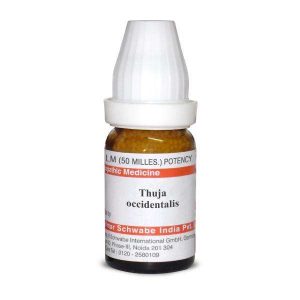 Thuja occidentalis LM
₹110.00₹88.00 -
Product on sale
 Sepia LM
₹110.00₹88.00 -
Product on sale
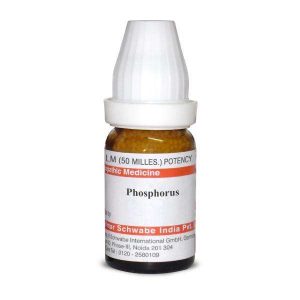 Phosphorus LM
₹110.00₹88.00 -
Product on sale
 Lycopodium clavatum LM
₹110.00₹88.00 -
Product on sale
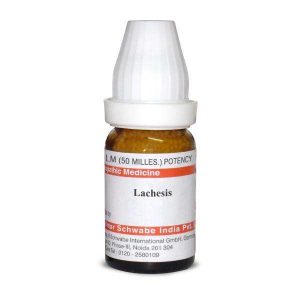 Lachesis LM
₹110.00₹88.00 -
Product on sale
 Kali carbonicum LM
₹110.00₹88.00 -
Product on sale
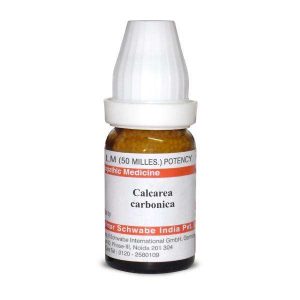 Calcarea carbonica LM
₹110.00₹88.00 -
Product on sale
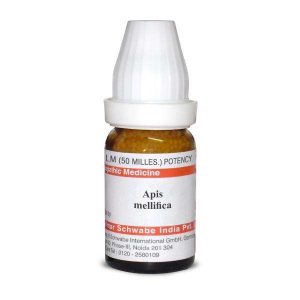 Apis mellifica LM
₹110.00₹88.00 -
Product on sale
 Silicea
₹120.00₹96.00 -
Product on sale
 Natrum muriaticum
₹120.00₹96.00 -
Product on sale
 Calcarea phosphorica
₹120.00₹96.00
Why homeopathic treatment is the best option for PCOS
Homeopathy addresses the issue’s root cause by correcting hormonal fluctuations and regularizing ovulation and periods. Homeopathic treatment is very effective in alleviating the signs and symptoms of PCOD and is free of any side effects, as seen with birth control pills.
While the complete cure of PCOS is a time-consuming process since it demands thorough observation regarding the change of symptoms in the patient over a while, and the course of treatment follows these observations.
Although PCOS and its symptoms can be treated using conventional drugs, homeopathic medications are better for treating this condition for the following reasons.
Using homeopathy for PCOD is one of the alternate choices as they offer safe and permanent relief. In addition, the homeopathic system treats the root cause of the disease rather than the particular pathological problem. r For example, the medicines prescribed for an interrupted period differ from those prescribed for profuse bleeding.
Conclusion
The various dramatic disturbances of the menopausal period play havoc on a woman’s physical and emotional health. Therefore, proper understanding and correct management of the symptoms is essential. The increasing evidence regarding the beneficial effects of homeopathy, as shown by data from case histories, observational studies, and randomized trials, are encouraging. Furthermore, the fact that homeopathy is helpful in an area such as infertility, PCOD, etc., where conventional treatment appears to hold some risks, should make homeopathic treatment a first choice of treatment. But more research is needed. Because of these reasons, many women in India prefer homeopathy as their best choice as it also offers a cost-effective treatment.
More Articles
Hair Breakage Vs. Hair Loss: Why Knowing The Difference Matters
Understand how hair breakage differs from hair loss, what causes each, the signs to watch for, and simple hair-care habits that can help protect hair health.

Everyday Posture Mistakes That Could Be Affecting Your Health
Learn how everyday posture mistakes can contribute to neck, back, and joint discomfort, and discover simple habits to improve alignment and support better health.

Tech Neck Prevention: Simple Habits For A Healthier Neck
Discover easy ways to prevent tech neck, from better screen posture to regular stretches and breaks, helping reduce strain and support a healthier neck.

Breast Health: Warning Signs, Self-Awareness & Preventive Care
Explore breast health warning signs, self-awareness, and preventive care. Learn how to recognize changes, understand risk factors, and support lifelong breast wellness.

Managing Kids' Screen Time for Better Sleep and Health
Discover practical ways to manage kids' screen time, create healthy digital habits, improve sleep, and support their physical and mental well-being.

Insulin Resistance: Early Signs, Causes & Prevention
Explore insulin resistance, its early warning signs and common causes, along with practical lifestyle habits that can support healthy blood sugar and metabolism.