

Listen to Your Body: A Preventive Approach to Health with Homoeopathy

Three weeks of bad sleep gets written off as "a busy month." Headaches get blamed on the laptop screen. A pending health check-up quietly moves from this month's to-do list to next month's, and then the one after that. Preventive healthcare asks us to think a little differently: pay attention early, understand your own patterns, and act before a small issue turns into a bigger one. For people who already lean toward gentler, holistic systems of care, this naturally raises a question: how might someone who chooses homoeopathy for preventive health approach their health alongside established preventive measures?
In India, homoeopathy is regulated within the country's AYUSH healthcare framework, with institutions responsible for education, healthcare services and research in the field. That recognition matters, but being an established medical system is not the same as having proof that a treatment can prevent a specific disease. A sensible approach keeps standard preventive care, medical screening, and professional advice at the centre, and treats everything else as something that sits alongside it.
Prevention Is Mostly About Paying Attention
Preventive healthcare often gets reduced to a checklist of blood tests, but it's really more of a habit than a chore. It's the ongoing practice of noticing your body, tracking what's normal for you, and knowing when to ask for help.
India's National Programme for Prevention and Control of Non-Communicable Diseases (NP-NCD) shows how seriously this is taken at a policy level, with guidelines calling for population-based screening in adults aged 30 and above, covering hypertension, diabetes, and select cancers. A well-rounded routine usually touches on a mix of the following:
-
Health assessments suited to your age and personal risk
-
Blood pressure and blood sugar checks when recommended
-
Cancer screening where appropriate
-
Staying current on vaccinations
-
A varied, balanced diet and regular physical activity
-
Enough sleep, consistently, and steering clear of tobacco
-
Not brushing off symptoms that keep returning
None of this is complicated on its own. The real challenge is turning it into a routine, rather than something we only think about after we've already fallen ill.
Why This Matters More in India Right Now
The growing burden of non-communicable diseases in India also highlights why prevention and early detection remain important parts of public health. The Government of India's National NCD Portal provides an indication of the scale of screening and treatment taking place across the country.
-
Over 74.97 crore beneficiaries have been screened under the programme so far
-
More than 8.64 crore people are currently under treatment for hypertension and diabetes
-
Screening guidelines specifically target adults aged 30 and above as a priority group
Numbers like that aren't meant to alarm anyone into worrying about every twinge or ache. They're a reminder that lifestyle-linked conditions affect a genuinely large share of the population, and that catching them early changes outcomes. So prevention isn't about expecting never to get sick. It's about knowing what to monitor and acting at the right time rather than the last possible moment.
Where Homoeopathy Might Fit Into a Wellness Routine
The phrase homoeopathy for preventive health deserves some unpacking, because it's easy to read more into it than is actually established. The Central Council for Research in Homoeopathy (CCRH), functioning under the Ministry of AYUSH, conducts clinical and fundamental research in the field, describing its work as an effort to evaluate the safety and effectiveness of homoeopathic approaches through structured scientific studies. It helps to keep two separate ideas apart:
-
Studying whether an approach may help with a condition
-
Proving that it prevents disease in people who are otherwise healthy
These are different questions, and research into a treatment for a particular condition should not automatically be interpreted as evidence that the treatment can prevent disease more broadly. For this reason, claims about homoeopathy should be considered carefully and should not be used as a reason to delay recommended screening, vaccination or medically indicated treatment. People who choose to explore homoeopathy for wellness should consult an appropriately qualified practitioner and keep their other healthcare providers informed. This is particularly important when screening, vaccination or medical treatment is recommended for a specific health concern.
Notice the Pattern, Not Just the Symptom
Bodies rarely send one dramatic signal. More often, it's a pattern that's trying to tell you something, and the goal isn't self-diagnosis; it's recognising when something has shifted enough to be worth a proper conversation with a doctor.
|
What you're noticing |
A sensible next step |
|
Occasional tiredness |
Look at sleep, meals, and daily routine first |
|
Fatigue with no clear cause, lasting weeks |
Bring it up with a healthcare professional |
|
Headaches that keep recurring |
Track frequency and triggers; seek advice if they persist |
|
Digestive issues that won't settle |
Avoid long-term self-treatment; get it checked |
|
Unexplained weight change |
Discuss it with a doctor rather than guessing the cause |
|
A new lump or unusual swelling |
Get a proper medical assessment |
|
Sudden or severe symptoms |
Seek medical attention immediately, don't wait |
This is really what holistic preventive healthcare is meant to be. It doesn't mean ignoring individual symptoms in favour of "the big picture." It means reading those symptoms alongside your lifestyle, family history, and existing health conditions, instead of looking at each one in isolation.
Prevention Isn't About Taking More of Anything
There's a common assumption that being proactive about health means adding something (a supplement, a tonic, a new remedy) before there's any real reason to do so. That's usually not what natural preventive healthcare looks like in practice; it's eating reasonably well, moving regularly, sleeping enough, and showing up for the screenings you're due for. India's Universal Immunisation Programme is a good example of prevention at scale, offering vaccines against several preventable diseases and serving as one of the country's largest public health efforts. A simple way to think about it:
-
Know your risk. Age, family history, and existing conditions shape what preventive care actually makes sense for you.
-
Know your baseline. Understanding your usual blood pressure, weight, and energy levels makes it easier to notice when something changes.
-
Stay current on recommended care. Screenings and vaccinations shouldn't be quietly replaced by self-treatment.
-
Act when something changes. Persistent or unexplained symptoms deserve a proper look, not months of waiting.
"Natural" Doesn't Automatically Mean Safer
There's a real appeal to natural health prevention, and it's understandable. Most people would rather build healthier habits than reach for medication first, and there's nothing wrong with that instinct. But "natural" isn't a stand-in for "risk-free" or "proven to work." Eating well, staying active, sleeping properly, and avoiding tobacco are genuinely valuable habits, but none of them should become a reason to delay a medical evaluation that's actually needed. A more useful question than "is this natural?" is simply: is this appropriate for what my body actually needs, and is there reliable evidence behind it?
Keeping Expectations Grounded
People come to homoeopathic preventive care from different starting points, whether they already use homoeopathic remedies or are simply curious about India's AYUSH systems more broadly. Either way, an informed conversation with a qualified practitioner will always serve you better than a decision based on online claims or someone else's anecdote. The CCRH continues to conduct research in clinical and other areas of homoeopathy. As with any area of medical research, individual findings need to be considered in the context of the available evidence rather than generalised beyond what a study establishes.
When Not to Wait
There's a limit to how long "keeping an eye on it" should ever last. Some symptoms call for immediate attention, and others simply shouldn't be left unaddressed if they persist.
Seek medical attention immediately for
-
Chest pain or breathing difficulty
-
Fainting, sudden weakness, or confusion
-
Heavy bleeding
Get it checked if it persists, even without pain
-
Unexplained weight loss
-
A new lump
-
Prolonged fever
-
Ongoing pain or a noticeable change in normal bodily function
Prevention and timely treatment work together. One is never a substitute for the other.
Building a Preventive Routine That Actually Fits You
There's no single preventive checklist that works for everyone. A healthy 26-year-old and a 55-year-old with a family history of heart disease are not going to need the same set of checks, and that's exactly why a one-size-fits-all routine rarely works. A useful yearly health review might include:
-
Going over your family medical history
-
Checking that your vaccinations are up to date
-
Discussing screenings appropriate for your age
-
Reviewing blood pressure and blood sugar where relevant
-
Taking an honest look at diet, activity, and sleep
-
Reviewing any long-term medication with your doctor
-
Raising anything that's felt persistent or unusual lately
If you're using more than one system of medicine at the same time, it's worth telling each of your healthcare providers what you're taking. It keeps everyone informed and reduces the chances of something important being missed.
Final Takeaway
Listening to your body doesn't mean treating every minor ache as a red flag. It means knowing your own baseline well enough to notice when something genuinely shifts. For anyone exploring homoeopathic preventive care, the most sensible approach is to keep expectations realistic: homoeopathy remains a recognised system of medicine in India, but it isn't a substitute for vaccination, recommended screening, emergency care, or medically necessary treatment.
Real prevention is greater than any single medical system. It's built from everyday choices, timely screenings, and the willingness to ask for help before a symptom becomes something more serious. Sometimes, it starts with something as small as noticing a change and choosing not to look away from it.
Disclaimer: This article is for general informational purposes only and is not a substitute for professional medical advice, diagnosis, or treatment. Always consult a Registered Medical Practitioner regarding any medical condition.
More Articles
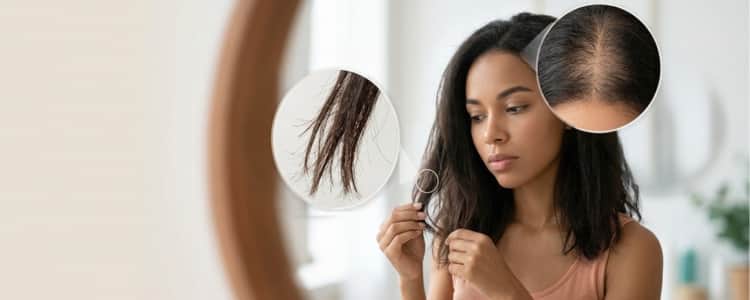
Hair Breakage Vs. Hair Loss: Why Knowing The Difference Matters
Understand how hair breakage differs from hair loss, what causes each, the signs to watch for, and simple hair-care habits that can help protect hair health.
Earwax Buildup: When To Clean And When To Leave It Alone
Understand why earwax builds up, when it should be removed, safe cleaning methods to use, and when ear symptoms require professional medical attention.

Intermittent Fasting What the Research Actually Says
Understand how intermittent fasting works, what research suggests about its potential benefits and limitations, and what to consider before changing your eating schedule.
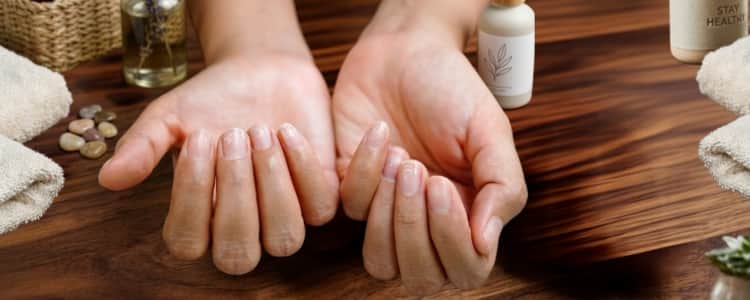
Brittle Nails and Vitamin Deficiency: What Your Nails Are Trying to Tell You
Brittle nails may signal vitamin deficiencies or other health issues. Discover common causes, key nutrients, and when to seek medical advice.

When Does Everyday Tiredness Become Chronic Fatigue?
Discover the difference between normal tiredness and chronic fatigue, explore possible causes, and learn when persistent exhaustion needs medical attention.

Is It a Cold or Allergic Rhinitis? Understanding the Difference
Discover how to tell the difference between a cold and allergic rhinitis, understand common symptoms, and learn when professional care may be needed.