

Brittle Nails and Vitamin Deficiency: What Your Nails Are Trying to Tell You

Most of us treat our nails as an afterthought. We trim them, occasionally paint them, and get mildly annoyed when one snaps at the worst possible moment. What we rarely do is stop and ask why it happened in the first place.
That is a bit of a missed opportunity, because nails are surprisingly good storytellers. Changes in texture, thickness, or growth can hint at what is going on inside the body, and nutrition is often part of that story.
If your nails have started peeling in layers, breaking without warning, or simply refusing to grow past a certain length, it is worth paying attention rather than blaming it entirely on bad luck. While things like frequent hand washing, cold weather, and ageing certainly play a role, the link between brittle nails and vitamin deficiency concerns and everyday nutrition is something doctors and dietitians bring up quite often, and for good reason.
What Exactly Are Brittle Nails?
Brittle nails are nails that split, chip, peel, or break far more easily than they should. Some people notice thin horizontal layers flaking off at the tip. Others find that their nails crack straight across before they even reach a reasonable length.
A few common signs to watch for:
-
Nails that break at the slightest bump
-
Peeling or flaking near the tips
-
A rough, uneven surface
-
Nails that feel unusually thin or soft
-
Very slow growth
-
Tenderness around the nail bed
These are also common signs of vitamin deficiency in nails, so it helps to know what to look for early. One broken nail here and there is nothing to worry about. But when it keeps happening month after month, it is reasonable to consider lifestyle habits, environmental exposures, and nail health and nutrition as possible explanations.
Is There Really a Link Between Vitamins and Nail Health?
There is, and it comes down to basic biology. Nails are made almost entirely of keratin, a protein that needs a steady supply of nutrients to form properly. When the body is short on certain vitamins or minerals, it tends to direct whatever it has toward organs that keep you alive, like the heart and brain, and nails end up fairly low on that priority list.
This is exactly why conversations around vitamin deficiency and nails come up so frequently in clinics. To be fair, nail changes alone are not enough to diagnose a deficiency. But when they show up alongside other symptoms, they can be a useful early clue.
A Quick Look at Nutrients Linked to Nail Health
|
Nutrient |
What It Does |
What Happens When Levels Drop |
|
Iron |
Helps carry oxygen through the blood |
Thin, brittle, or spoon-shaped nails |
|
Biotin (Vitamin B7) |
Supports Useful for keratin formation |
Nails become more fragile |
|
Vitamin B12 |
Maintains Supports red blood cells and nerve health |
Discolouration and texture changes |
|
Folate |
Supports cell growth and repair |
Slower nail growth |
|
Vitamin D |
EnhanceSupports bone and tissue strength |
May contribute to weaker nails |
|
Zinc |
Aids Supports tissue repair and growth |
Slow growth, white spots, ridges |
White Spots on Nails: Causes, Symptoms, and What They Really Mean
So, What Vitamin Deficiency Causes Brittle Nails?
This is probably the question people search for the most, and the honest answer is that there is no single culprit. What vitamin deficiency causes brittle nails usually turns out to be a combination of factors rather than one isolated nutrient. That said, a handful of deficiencies recur in medical discussions.
-
Iron Deficiency
Iron deficiency remains one of the most widespread nutritional gaps, and India's numbers reflect this clearly. According to the National Family Health Survey (NFHS-5), anaemia continues to affect a large share of women, adolescents, and children across the country, making it one of the most pressing public health concerns the government tracks.
When iron runs low, people may notice:
-
Brittle or spoon-shaped nails
-
Constant tiredness
-
Breathlessness during routine activity
-
Pale skin or pale nail beds
In more advanced cases, nails can curve inward, a condition known as koilonychia.
-
Biotin Deficiency
Biotin, or Vitamin B7, gets a lot of attention in hair and nail conversations, sometimes more than the evidence fully supports. True biotin deficiency is not that common, but poor dietary intake or certain health conditions can still lower levels. Since biotin is directly involved in keratin production, a deficiency can show up as nail fragility, thinning hair, and mild skin changes.
-
Vitamin B12 Deficiency
B12 plays a central role in producing healthy red blood cells and maintaining nerve function. When it runs low, nails may develop unusual pigmentation or discolouration, and people often report fatigue or a tingling sensation in the hands and feet alongside it. Those who eat little to no animal-based foods are generally at higher risk if their diet is not carefully planned.
-
Zinc Deficiency
Zinc is quietly involved in hundreds of processes throughout the body, including tissue repair and cell growth. Among the more noticeable nail deficiency symptoms linked to low zinc are slow-growing nails, faint white spots or lines, increased brittleness, and wounds that take longer than usual to heal.
-
Vitamin D Deficiency
Vitamin D usually gets associated with bone strength, but its role in tissue health more broadly is still being studied. Brittle nails by themselves do not confirm a vitamin D deficiency, though some research suggests that low levels may be tied to general structural weakness across various tissues, nails included.
It Is Not Always About Vitamins
Not every case of nail damage traces back to nutrition. Several everyday habits and conditions are just as likely to be behind common causes of brittle nails.
-
Frequent water exposure: Constant hand washing or wet chores strip moisture from nails
-
Harsh chemicals: Detergents, solvents, and cosmetic removers wear down nail structure over time
-
Ageing: Nails naturally lose flexibility and moisture with age
-
Repeated cosmetic treatments: Frequent gel manicures, acrylics, or acetone-based removers weaken nails.
-
Underlying health conditions: Thyroid disorders, psoriasis, eczema, poor circulation, and autoimmune conditions can show up as nail changes
This is exactly why nail problems should not be self-diagnosed as a nutritional issue without proper evaluation. A doctor looking at the full picture is in a much better position to say what is actually going on.
Reading the Signs of Vitamin Deficiency in Nails
Doctors rarely rely on nails alone. They tend to consider nail changes alongside a person's broader symptoms and history before drawing any conclusions.
Some commonly discussed signs of vitamin deficiency in nails include
|
Nail Change |
Possible Nutritional Link |
|
Frequent breakage |
Iron, biotin, or zinc |
|
Slow growth |
Zinc or folate |
|
Spoon-shaped nails |
Iron |
|
Pale nail beds |
Iron or anaemia |
|
Vertical ridging |
Often age-related, sometimes worth checking |
|
White spots or lines |
Occasionally linked to zinc |
None of these signs is diagnostic on its own. Blood tests are usually the only reliable way to confirm whether a deficiency actually exists.
The Bigger Picture: Nail Health and Nutrition
The connection between nail health and nutrition goes well beyond any single vitamin. Strong, healthy nails generally depend on a well-rounded diet that includes protein, iron, zinc, B vitamins, vitamin D, healthy fats, and a good mix of fruits and vegetables.
The Indian Council of Medical Research and the National Institute of Nutrition have repeatedly emphasised dietary diversity as one of the simplest ways to reduce the risk of micronutrient gaps. Eating from a variety of food groups, rather than relying heavily on one or two staples, goes a long way in supporting overall nutritional health.
Everyday Foods That Support Nail Strength
|
Nutrient |
Common Food Sources |
|
Iron |
Lentils, spinach, beans, lean meats |
|
Biotin |
Eggs, nuts, seeds, sweet potatoes |
|
Vitamin B12 |
Dairy, fish, eggs, meat |
|
Zinc |
Chickpeas, pumpkin seeds, dairy |
|
Vitamin D |
Fortified foods, fatty fish, sunlight |
|
Protein |
Pulses, soy, dairy, poultry, fish |
Should You Reach for Supplements?
It is tempting to buy a bottle of supplements the moment nails start acting up, but that is not always the right first step. Whether vitamins for brittle nails actually help depends entirely on whether a real vitamin deficiency is present in the first place.
-
Testing is usually the better starting point, rather than guessing which nutrient might be missing
-
Once a specific gap is identified, targeted supplementation tends to be more useful than blanket dosing
-
India's public health programmes reflect this same logic, leaning on dietary diversification and food fortification
-
Supplementation is recommended only where it is genuinely needed, not as a default for everyone
It is worth remembering that more is not always better. Excess intake of certain vitamins and minerals can create its own set of problems, so speaking with a qualified healthcare provider before starting any supplement is a sensible precaution.
Homeopathy vs. Traditional: Which is More Effective for Nail Fungus?
When Should You See a Doctor?
An occasional broken nail is not something to lose sleep over. But it may be worth booking an appointment if you notice:
-
Nail problems that persist despite good care
-
Sudden or unexplained changes in nail shape or colour
-
Spoon-shaped nails
-
Hair thinning alongside nail changes
-
Ongoing fatigue, weakness, or unexplained weight changes
-
Symptoms that start interfering with daily life
A doctor can help determine whether weak nails and vitamin deficiency concerns are genuinely at play or whether something else entirely is driving the changes.
Final Thoughts
Nails cannot speak, but they do communicate in their own quiet way. Persistent breakage or unusual changes are worth a second look rather than a quick coat of polish to hide them.
While discussions around brittle nails and vitamin deficiency often circle back to nutrients like iron, biotin, zinc, B12, and vitamin D, nails alone never tell the complete story. Diet, medical history, and a proper evaluation together paint a far more accurate picture than nails ever could on their own.
Healthier nails usually come down to fairly ordinary habits: eating a balanced diet, staying hydrated, limiting exposure to harsh chemicals, and paying attention early rather than waiting for things to get worse.
Disclaimer: This article is intended for general informational purposes only and should not be taken as medical advice, diagnosis, or treatment. Nail changes can result from a wide range of causes, and vitamin deficiency is only one possible factor among many. Please consult a qualified healthcare professional before drawing conclusions about your health or starting any dietary or supplement changes.
More Articles

Why Do Foot Cramps Happen Suddenly?
Discover the possible causes of sudden foot cramps, from dehydration to muscle fatigue, and learn when persistent symptoms should not be ignored.

7 Bedtime Drinks That May Support More Restful Sleep
Learn about seven soothing bedtime drinks that may promote relaxation, support better sleep quality, and help you unwind before bedtime.
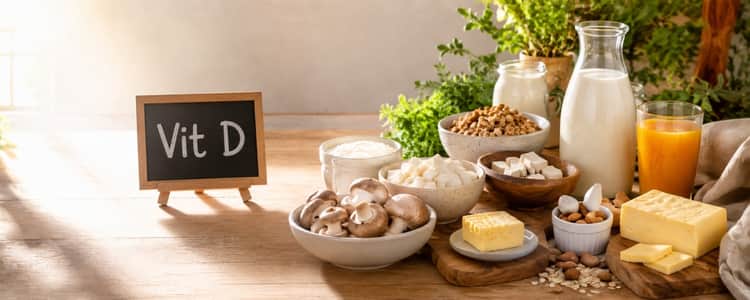
10 Foods That May Help Maintain Healthy Vitamin D Levels
Learn about 10 nutrient-rich foods that may help maintain healthy vitamin D levels and contribute to strong bones, muscle function, and immune health.

Intermittent Fasting What the Research Actually Says
Understand how intermittent fasting works, what research suggests about its potential benefits and limitations, and what to consider before changing your eating schedule.

Common Causes of Tinnitus and When to Seek Advice
Discover what may cause tinnitus, identify symptoms that should not be ignored, and learn when it's time to seek medical advice for better hearing health.

DOMS Explained: Why Your Muscles Hurt Two Days After A Workout
Understand delayed-onset muscle soreness (DOMS), why it peaks after workouts, how to manage recovery, and when muscle pain may signal something more serious.