
Hypertension: Causes and Treatment

Hypertension, also known as high blood pressure is one of the conditions which may lead to complications serious. It is also called the silent killer because people usually have no symptoms.. High blood pressure may damage a person’s blood vessel walls and can lead to heart attacks, strokes, etc.
Blood pressure is the measure of the force of your blood against the blood vessel walls. There are two types of blood pressure measurements: Systolic blood pressure, and diastolic blood pressure. According to the National Institutes of Health, a person is considered to have high blood pressure when his/her systolic blood pressure is 140 mmHg or higher and when diastolic blood pressure is 90 mmHg or higher.
Causes:
There are no specific causes of hypertension. Certain factors such as drinking too much of alcohol, smoking, being obese, eating a lot of salts and having diabetes, can be some of the reasons behind developing hypertension.
Being under stress can also increase the blood pressure. Being under mental stress or depression for a long time may lead to high blood pressure.
Some of the chronic diseases such as kidney conditions, disorders of the adrenal gland can cause high blood pressure.
Aging causes the blood vessels to become stiffer. This can increase the risk of hypertension.
Also Read Hypertension: A Lifestyle Disorder
Treatment:
The maximum range of blood pressure is 139/90 mmHg. The treatment of hypertension involves keeping the blood pressure below this range. Inorder to treat hypertension it is recommended that you consult a doctor and take medication, along with making certain lifestyle changes.
Homeopathic medicine for hypertension is highly effective in managing the condition. Though it does not have an immediate effect, the medicine targets the root cause of the disease and then treats it. Some of the recommended medicines are- Belladonna, Nux Vomica, Glonine, etc. Please consult a homeopathic expert or doctor before taking any of these medicines. The medicines and their dosage may vary from person to person depending on the severity of the condition.
Along with taking the medicine, you should also change your lifestyle. Drink a lot of fluids and try to exercise a bit every day, even if it’s a 15- 20 min walk. Cut down on salty and fried food. One should eat raw fruits and vegetables daily. Yoga and pranayama are also very effective.
-
Product on sale
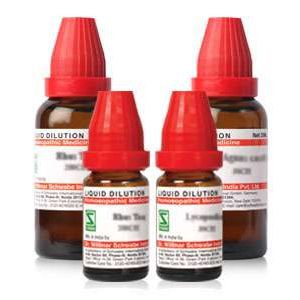 Nux vomica CH
₹110.00₹88.00 -
Product on sale
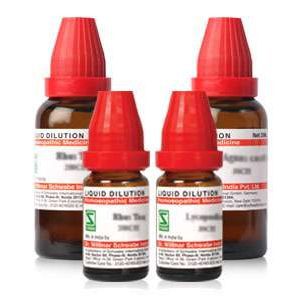 Glonoinum CH
₹110.00₹88.00 -
Product on sale
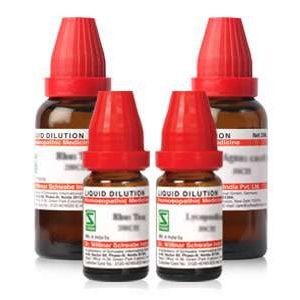 Belladonna CH
₹110.00₹88.00
More Articles

Doomscrolling and Sleep: How Late-Night Phone Use Affects Rest
Discover how doomscrolling before bed can disrupt sleep, increase alertness, and reduce rest quality, along with practical tips for healthier nighttime phone habits.

Simple Habits That May Help Ease Sciatica Discomfort
Learn practical habits that may help reduce sciatica discomfort, improve flexibility, and support better back and leg comfort through everyday care.
DOMS Explained: Why Your Muscles Hurt Two Days After A Workout
Understand delayed-onset muscle soreness (DOMS), why it peaks after workouts, how to manage recovery, and when muscle pain may signal something more serious.

When Does Everyday Tiredness Become Chronic Fatigue?
Discover the difference between normal tiredness and chronic fatigue, explore possible causes, and learn when persistent exhaustion needs medical attention.

Digital Eye Strain: Why Your Screens May Be Hurting Your Eyes
Discover how prolonged screen time causes digital eye strain, its common symptoms, and practical ways to reduce discomfort and protect your eye health.
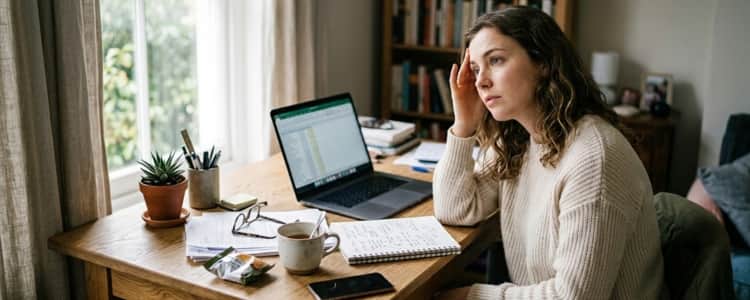
Brain Fog vs. Poor Concentration: What's the Difference?
Brain fog and poor concentration can feel similar but have different causes. Learn how to recognize the symptoms, understand triggers, and improve mental focus.