
Everyday Posture Mistakes That Could Be Affecting Your Health
Learn how everyday posture mistakes can contribute to neck, back, and joint discomfort, and discover simple habits to improve alignment and support better health.
Dr Jeetesh Singh

Discover insights, tips, and updates from our team
Learn how everyday posture mistakes can contribute to neck, back, and joint discomfort, and discover simple habits to improve alignment and support better health.
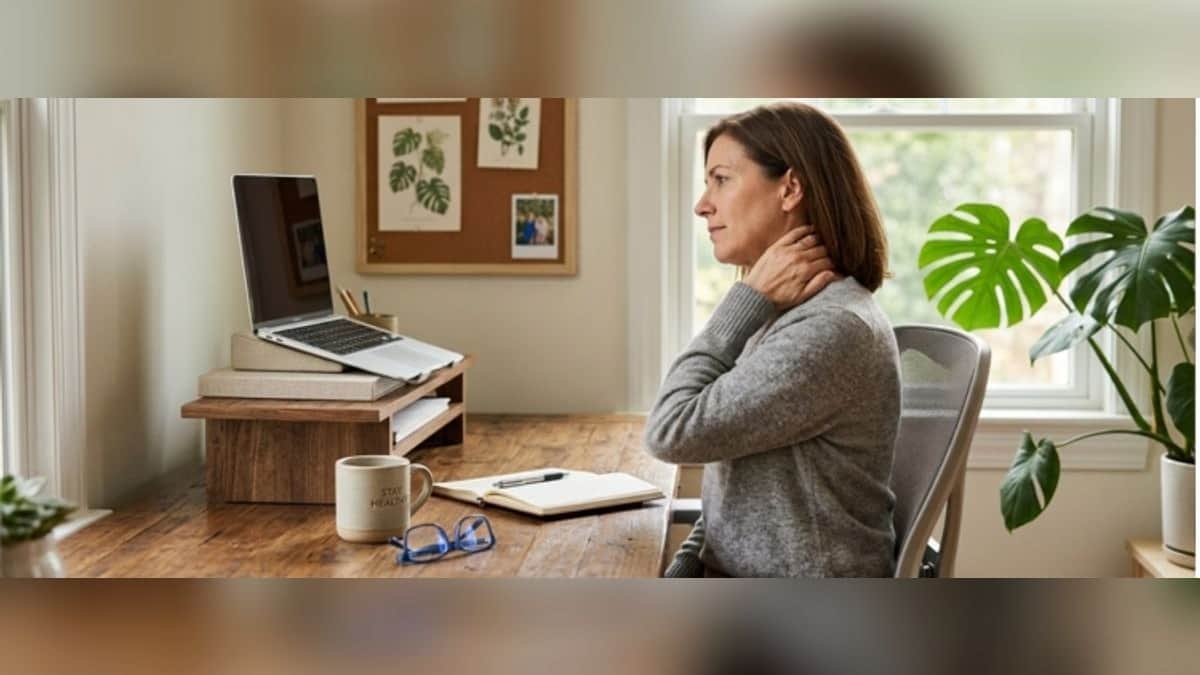
Discover easy ways to prevent tech neck, from better screen posture to regular stretches and breaks, helping reduce strain and support a healthier neck.
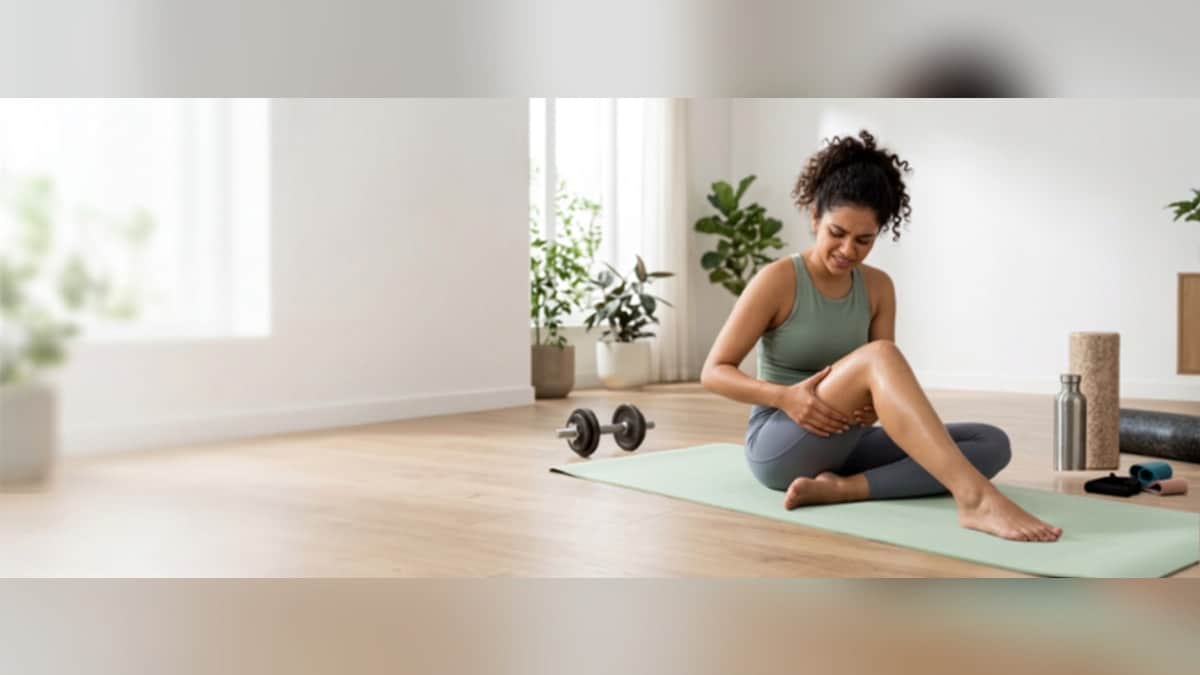
Understand delayed-onset muscle soreness (DOMS), why it peaks after workouts, how to manage recovery, and when muscle pain may signal something more serious.

Discover common early signs of carpal tunnel syndrome and practical tips desk workers can use to reduce wrist strain and support healthier work habits.
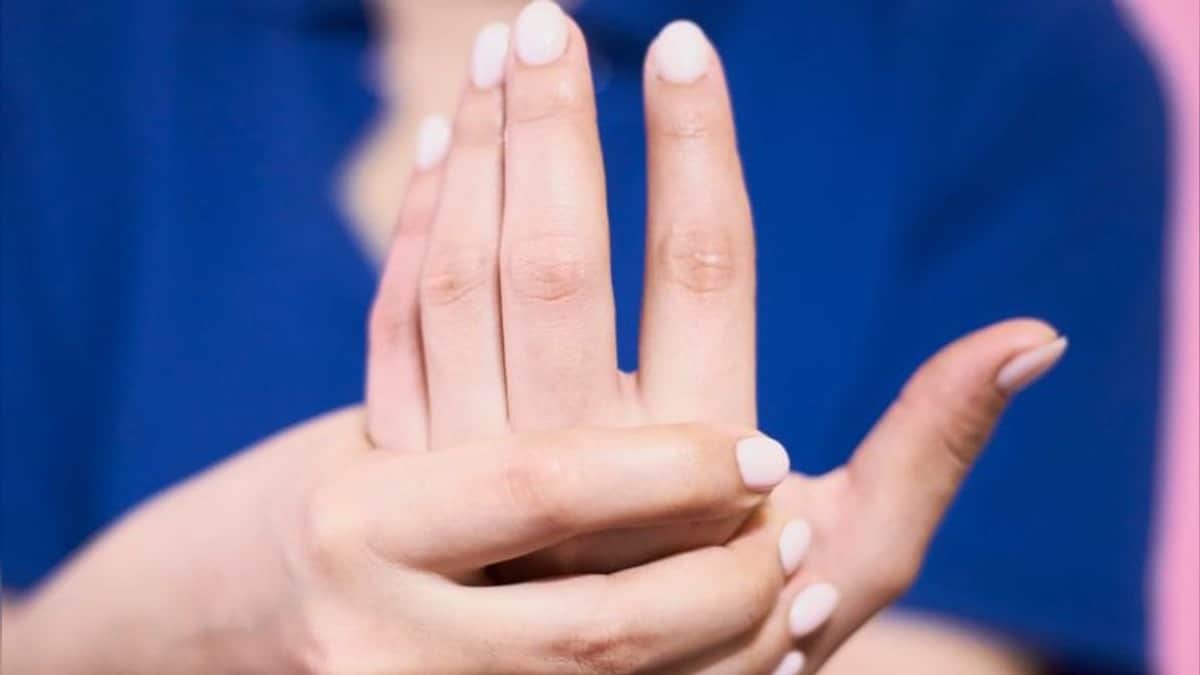
Discover the common early signs of finger joint stiffness, possible triggers, and when persistent discomfort or limited movement should not be ignored.
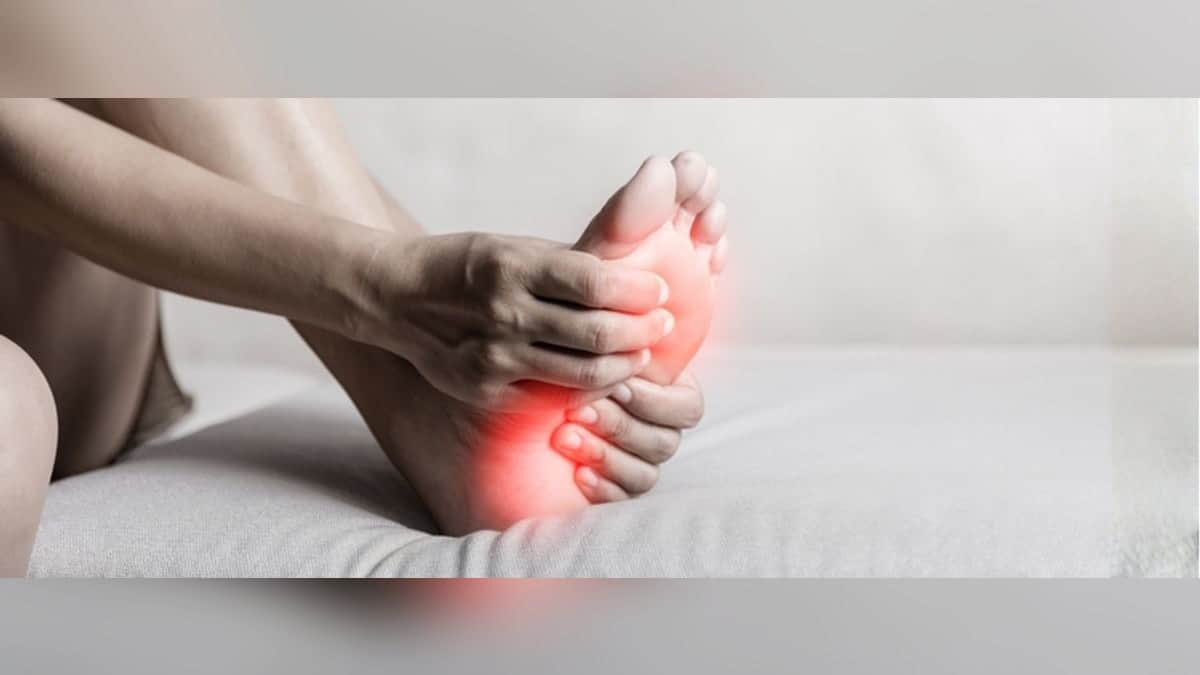
Discover the possible causes of sudden foot cramps, from dehydration to muscle fatigue, and learn when persistent symptoms should not be ignored.
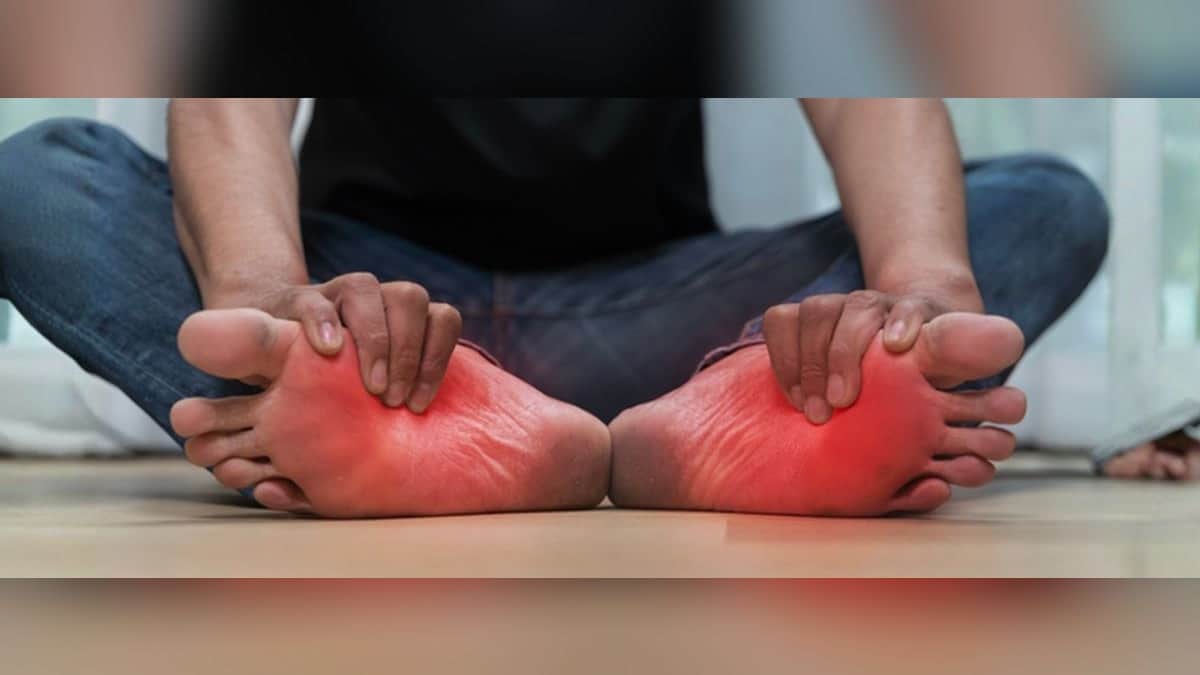
Learn simple daily habits that may help ease plantar fasciitis discomfort, support foot health, and improve comfort while walking and staying active.

Learn practical habits that may help reduce sciatica discomfort, improve flexibility, and support better back and leg comfort through everyday care.

Learn about seven hydrating drinks that may help ease mild finger swelling, support circulation, and promote overall fluid balance and joint comfort.

Discover why mild ankle pain can occur without an injury, explore possible causes, recognize symptoms that need attention, and learn practical care tips.

Bad posture syndrome can develop from prolonged sitting, improper ergonomics, muscle imbalances, and sedentary habits. This article explores common signs such as neck, shoulder, and back pain, explains the underlying causes, and shares practical everyday habits that may help improve posture, support spinal health, and reduce strain over time.

Leg cramps can interfere with daily activities and sleep, but simple lifestyle changes may help reduce their frequency and severity. This article explores practical strategies such as staying hydrated, stretching regularly, maintaining proper nutrition, and improving daily habits to support muscle health and promote long-term comfort.

Many daily activities, such as repetitive movements, poor posture, improper lifting techniques, and prolonged device use, may contribute to elbow strain over time. This article explores common habits that can affect elbow health and shares practical tips to help minimize stress on the joint and support long-term comfort.

Body swelling can result from various conditions. Explore possible causes, associated symptoms, and when it's important to consult a healthcare professional.

After any form of physical activity, whether it is an intense workout, a long walk, or a sports session, your body enters a recovery phase. Muscles that have been under strain begin repairing themselves, energy stores need replenishment, and hydration levels must be restored. While rest plays an important role, what you drink afterwards can […]

Heel pain and discomfort have a way of creeping into daily life. It may begin as a slight irritation when you get out of bed, then gradually worsen, affecting how long you can stand, walk, or even focus on routine tasks. What makes it frustrating is that it often builds up silently through everyday habits […]

Neck discomfort is often dismissed as a temporary issue, especially in routines that involve long hours of sitting or screen use. However, when stiffness or restricted movement becomes more frequent, it may indicate underlying changes in the cervical spine. These changes are commonly associated with what is described as cervical spondylosis. Understanding cervical spine problems […]

Desk work has become the default for a large portion of the working population. However, it comes with a set of physical challenges that were far less common when work involved more varied movement. Among the most frequently reported problems is neck pain from working on a computer, a trouble that rarely announces itself dramatically […]

There is a particular kind of discomfort that wakes a person up at night with a calf muscle seized so tight it takes several minutes of pressing the foot flat against the floor before it finally releases. People who have experienced this know it well. What most do not know is that the cramp did […]

Shoulder movement rarely gets the attention it deserves until the day it stops feeling effortless. Reaching for something on a high shelf, fastening clothes behind the back, or simply turning over during sleep can shift from automatic to genuinely effortful when stiffness begins to take hold. For many people, this is the point at which […]

Most people never think about their bones until something breaks. Unlike a sore knee that throbs or a stiff back that aches, bones weaken silently. No pain, no warning signs—until suddenly there’s a fracture from tripping over nothing. That’s the problem with bone loss. It creeps up quietly over the years while everything feels completely […]

Sitting feels normal when we’re at work, in the car, while watching TV, during meals—it’s woven into nearly every part of daily life. But here’s what most people don’t realise until it’s too late: when sitting becomes the primary position you hold for most of your day, your body starts protesting in quiet, uncomfortable ways. […]

You bend down to grab something off the floor. Your knee clicks. There’s a grinding feeling you can’t ignore. “Just getting old,” you tell yourself. But it keeps happening. The joint pain and stiffness when you wake up last longer each time. That hip ache doesn’t fade like it used to. This is how early […]

If you’ve ever finished a run feeling proud… only to be greeted by a throbbing ache in your legs later, you’re not alone. For many people, leg pain after running sneaks in slowly, a stiffness that builds through the evening, or hits suddenly, like a sharp jolt that stops you mid-stride. Whether you’re a seasoned […]