
Gastritis Diet: 5 Foods To Avoid And 5 To Eat

Gastritis is an inflammation, irritation, or erosion of the lining of the stomach. It can occur either acutely or chronically. Gastritis can be caused by irritation due to excessive alcohol use, chronic vomiting, stress, or the use of certain medications such as painkillers and anti-inflammatory drugs. It may also be caused by Helicobacter pylori, a bacterium that lives in the mucous lining of the stomach and bile reflux which is a backflow of bile into the stomach from the bile tract.
Symptoms
It varies from person to person. In some cases, gastritis can lead to ulcers and increases the risk of developing stomach cancer. In most cases, gastritis is not a serious condition and it improves quickly with treatment. The most common symptoms include indigestion, nausea, vomiting, abdominal bloating, abdominal pain, hiccups, eructations, loss of appetite, vomiting of blood and black stools depending upon the severity of the condition.
Causes
Weakness or injury to the mucus barrier that protects the stomach wall makes the lining vulnerable to irritation and damage by digestive juices and inflames the stomach lining. A number of diseases and conditions can cause gastritis, such as AIDS, Crohn’s disease and sarcoidosis, etc.
Also Read Acid Reflux (GERD) : Symptoms, Causes, Treatment
Risk factors
- Bacterial infection: An infection with Helicobacter pylori is the most common infection but only some people with the infection develop gastritis or other upper gastrointestinal disorders.
- Regular use of painkillers: Taking too many painkillers affects and irritates the protective lining of your stomach.
- Older age: Older people are more likely to have H. pylori infection or other infections than younger people due to decreased immunity.
- Alcohol use: It irritates and erodes the stomach lining and is more likely to cause acute gastritis.
- Stress: Stress from major surgery, injury, burns or severe infections can cause acute gastritis.
- Autoimmune gastritis is more common in people with other autoimmune disorders.
- Other diseases and conditions: Gastritis may be associated with other medical conditions such as Crohn’s disease and parasitic infections.
Diet for gastritis
A healthy diet with foods that are rich in vitamins helps to heal the damage to the lining of the stomach. A healthy diet is important for healthy digestive functions and overall health. Avoiding some foods and beverages and increasing the intake of others can help manage the condition.
Some foods help to manage gastritis and lessen the symptoms.
- A high fiber food with lots of fruits and vegetables and whole grains such as apples, oatmeal, broccoli, carrots, and beans
- Low-fat foods such as fish and chicken breast
- Foods with low acidity like vegetables
- Plenty of fluids
- Probiotics such as yoghurt
Also Read Gastritis Diet: 5 Foods To Avoid And 5 To Eat
Foods which are high in fat may worsen inflammation in the lining of the stomach. Some of the foods to avoid gastritis are:
- avoid alcohol and carbonated drinks
- avoid coffee and other stimulants
- avoid acidic foods
- avoid fried and fatty foods
- avoid spicy foods
- avoid too much milk and milk products
Homeopathic medicines for gastritis
A properly selected homeopathic medicine along with certain lifestyle modifications and a healthy diet will help to cure gastritis. Here are some of the best remedies that are indicated for gastritis.
Antimonim crudum: Gastric complaints from overeating, bread and pastry, acids or vinegar, sour or bad wine, after cold bathing, overheating and hot weather. Thick milky white coating on the tongue. Nausea with distended feeling in the abdomen. Vomiting is frequent and constant. Vomiting of large quantities of half-digested food. Incessant belching tasting of ingesta. Constant discharge of flatus up and down.
Abies Canadensis: For gastric affections caused by abuse of tea or tobacco, and dyspeptic troubles, especially of the aged with functional heart symptoms. Total loss of appetite in the morning, but great craving for food at noon and night. Eructation with the offensive breath, pain in the stomach always after eating, the sensation of the lump as if a hard, boiled egg is lodged in the cardiac end of the stomach. Constriction in the pit of the stomach, as if everything were knotted up.
Nux Vom: For gastritis with nausea and vomiting in the morning. Feels better after vomiting. Heartburn with flatulence. Alternating constipation and diarrhea. Eructations are sour, and bitter with nausea and vomiting after eating. Drinking milk seems to cause acidity. Hungry, but feels quite full after little food. Repeated, violent vomiting of sour mucus with a headache or with blood. Nux vomica is mostly indicated in cases of chronic gastritis which is caused by tobacco, alcoholic stimulants and highly spiced food.
Lycopodium: It is indicated for gastritis with fullness even after a light meal and no intestinal irritation. Pain in the pit of the stomach with offensive discharges. Eructation ameliorates gastric troubles. Bitter taste in the mouth at night, sour vomiting. Vigorous appetite, but after eating a small quantity of food he feels so full and bloated.
Phosphorus: Gastritis with chronic erosion. Burning, gnawing circumscribed pain. All gone, a sensation at 11 a.m. from the stomach to the bowel. Craves for cold food and cold drinks give relief temporarily but are vomited as soon as they become warm in the stomach. Very useful remedy in chronic dyspepsia.
Arsenic Album: Foul, bitter or sour taste. Burning pain in the stomach like fire, as if hot coals were applied to the part, better by hot application, hot drinks. Acrid and bitter eructation. Irritative dyspepsia and acute inflammation. Nausea, retching and vomiting of slimy mucus tingled with blood. Trembling and coldness of extremities with pain in stomach and oppressive anxiety.
Veratrum album: Hiccups after hot drinks. After eating, empty eructation of air. After frequent eructation, copious ejection of mucus. Constant sick eructation with a very violent cough. Voracious hunger, great thirst. Vomiting is slimy with food froth, yellowish green or white mucus or black bile and blood.
Bryonia Alba: This is best adapted to persons with gouty or rheumatic diathesis. Great thirst for large quantities at long intervals. Pressure is from the stone at the pit of the stomach, relieved by eructation. Diarrhea during a spell of hot weather; bilious, acrid with soreness of anus; like dirty water; of undigested food; from cold drinks when overheated, from fruit or sour foods.
Graphites: Gastralgia with burning, crampy, colicky pain in the stomach, ameliorated after eating. Cramps in the epigastrium and putrid eructation. Sweets nauseate and disgust, hot drinks disagree. Aversion to meat. Flatus rancid or putrid.
Carbo vegetabilis: Violent burning in the stomach, with paroxysmal cramps which force the patient to double up; with flatulence. Putrid variety of dyspepsia. Slow digestion; feels as if a weight in the stomach, which is not relieved by eating; but after a few mouthfuls, there is a sense of fullness. Eructations are rancid, putrid or sour.
Argentum Nitricum: Violent belching and great relief from it. Pain is gnawing, and ulcerative referred to as the pit of the stomach. Vomiting of glairy mucus, which can be drawn into strings. Longing for sugar aggravates the complaints. Pain in the spot radiates in every direction.
Mercurious solubilis: It has deathly faintness at the pit of the stomach. Profuse saliva in the mouth. Stool hot, scanty, bloody, slimy, and offensive, with terrible cutting, and colicky pains. Useful in painful acute inflammation. Tenesmus, is not relieved by stool.
Kali bichromicum: Gastric complaints from bad effects of beer. Loss of appetite. Weight in the pit of stomach. Flatulence aggravated soon after eating. Vomiting of ropy mucus and blood; a round ulcer in the stomach. Cannot digest meat.
China officinalis: It is best suited to weak patients having low vital power. The sensation of satiety after a few mouthfuls of food. Sour, bitter eructations; flatus is offensive. Slow digestion and patient faints easily. There is a sensation as if the food had lodged in the oesophagus. In cases where the food does not digest, but lies a long time in the stomach, causing eructations and finally is vomited out undigested.
Sulphur: Burning in the stomach. Gastritis is caused by chronic alcoholism. Weak, empty, gone or faint feeling in the stomach about 11. a.m. and cannot wait for lunch. Congestion of the abdomen. Stool acrid and excoriating. It follows Aconite well. Sour eructation all day. Long heartburn. Belching up a portion of the food that had been eaten.
Kali carbonicum: Putrid belching, dyspepsia with sleepiness. Before eating, there is a faint sinking feeling in the epigastrium out of proportion to the feeling of vacuity caused by hunger, with sour eructation, heartburn and peculiar weak nervous sensation. The desire for sugar and sweets.
-
Product on sale
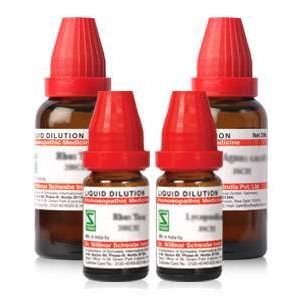 Phosphorus CH
₹110.00₹88.00 -
Product on sale
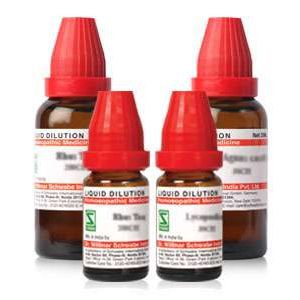 Nux vomica CH
₹110.00₹88.00 -
Product on sale
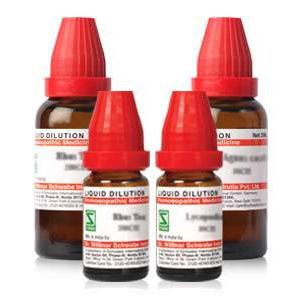 Lycopodium clavatum CH
₹110.00₹88.00 -
Product on sale
 Kali bichromicum CH
₹110.00₹88.00 -
Product on sale
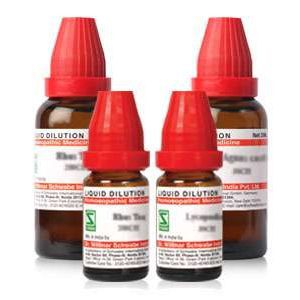 Cinchona officinalis (China) CH
₹110.00₹88.00 -
Product on sale
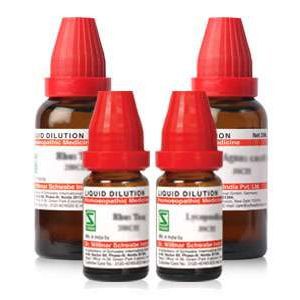 Abies canadensis CH
₹110.00₹88.00 -
Product on sale
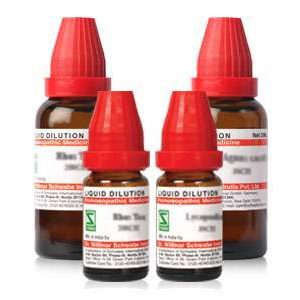 Arsenicum album CH
₹110.00₹88.00 -
Product on sale
 Antimonium crudum LM
₹110.00₹88.00
More Articles

Earwax Buildup: When To Clean And When To Leave It Alone
Understand why earwax builds up, when it should be removed, safe cleaning methods to use, and when ear symptoms require professional medical attention.

Brittle Nails and Vitamin Deficiency: What Your Nails Are Trying to Tell You
Brittle nails may signal vitamin deficiencies or other health issues. Discover common causes, key nutrients, and when to seek medical advice.

Recognising Early Signs of Finger Joint Stiffness
Discover the common early signs of finger joint stiffness, possible triggers, and when persistent discomfort or limited movement should not be ignored.

Brain Fog vs. Poor Concentration: What's the Difference?
Brain fog and poor concentration can feel similar but have different causes. Learn how to recognize the symptoms, understand triggers, and improve mental focus.

7 Drinks That May Help Reduce Mild Finger Swelling
Learn about seven hydrating drinks that may help ease mild finger swelling, support circulation, and promote overall fluid balance and joint comfort.

Can Allergies Cause a Blocked-Ear Sensation?
Discover how allergies may lead to a blocked-ear sensation, understand the symptoms involved, and learn when persistent discomfort needs attention.