

Dog Bite First Response: From Wound Cleaning To Vaccination And Diet Tips

Bites by dogs may occur anytime, when you are taking a morning walk, when you are playing with a pet, or within your neighbourhood! The events that happen immediately after a bite are important. Understanding what actions to take in the event of a dog bite is not only valuable but also vital in preventing complications. This guide walks you through practical steps, from dog bite first aid to vaccination protocols and dietary adjustments. Let’s keep it clear, factual, and focused on your safety.
Step 1: Immediate First Aid – Your First Shield
Dog bite first aid starts the second a bite occurs. Here’s a quick checklist:
- Clean the Wound: Rinse thoroughly under running water for 10–15 minutes. Use mild soap to minimise the risk of infection.
- Control Bleeding: Apply light pressure with a clean cloth. Elevate the injured area if possible.
- Cover lightly: Use a sterile bandage. Avoid tight wraps to allow airflow.
- Seek Help: Contact a healthcare provider immediately, even for minor bites or scratches. Delaying care invites complications.
Why rush? Dog bites introduce bacteria and potentially the rabies virus. Dog bite causes which disease? Primarily, rabies is a fatal illness if ignored. Timely dog bite treatment bridges the gap between injury and recovery. Remember: Proper dog bite first aid can reduce the risk of infection by 90%.
Also Read Essential Homeopathic Remedies For Your First Aid Kit
Step 2: Medical Intervention – Vaccination is Non-Negotiable
Once first aid is done, professional care is paramount. Here’s what to expect:
- Assessment: Doctors evaluate the wound’s depth, location, and risk of rabies.
- Tetanus Shot: Crucial if your booster is overdue.
- Rabies Vaccination: Non-negotiable if the dog’s status is unknown.
Common Questions Answered
1. Is it necessary to take an injection after a pet dog bite?
Absolutely. Even vaccinated pets can carry rabies. Never skip dog bite vaccination.
2. After a dog bite, when should you take an injection?
Ideally, within 24 hours. Delays heighten rabies risk.
Dog bite injection protocols involve a series of shots over weeks. Compliance is vital—each dose builds immunity. Remember: Rabies has no cure, but vaccination against dog bites prevents it. Ignoring this step is gambling with life.
Step 3: The Homoeopathic Approach – Gentle Yet Holistic
While conventional care addresses immediate risks, many explore homoeopathy for holistic support. Homoeopathy focuses on the body’s self-healing mechanisms, using highly diluted natural substances. It aims to:
- Reduce anxiety and shock post-trauma.
- Support the body’s response to stress and tissue repair.
- Complement conventional dog bite treatment without interference.
Homoeopathy operates on the principle of individualisation, where care is tailored to a person’s unique physical and emotional state. It’s a gentle, non-invasive approach that works alongside modern medicine. For instance, it may help manage post-bite anxiety or lingering discomfort.
Important: Homoeopathy doesn’t replace urgent medical steps, such as dog bite first aid or vaccines. Instead, it offers a complementary layer of care. Always consult a registered homoeopath in conjunction with standard treatment.
Also Read Warning Signs Your Child Might Have More Than Just the Flu
Step 4: Diet and Lifestyle – Fueling Recovery
What you eat post-bite impacts healing. Toxins in certain foods may exacerbate inflammation or interfere with the treatment of dog bites. Here’s a quick reference:
| Recommended Foods | Foods to Avoid | Why Avoid? |
| Fresh fruits (apples, pears) | Spicy or fried foods | Increases body heat |
| Vegetables (cucumber, spinach) | Caffeinated drinks | Dehydrates tissues |
| Whole grains (rice, oats) | Processed sugars | Weakens immunity |
| Lean proteins (chicken, lentils) | Alcohol | Slows healing |
What shouldn’t you eat after a dog bite?
- Avoid spicy, oily, or fermented items—they may trigger inflammation.
- Skip caffeine and alcohol; they dehydrate and strain your system.
What food we should not eat when a dog bites?
Steer clear of irritants like chilli, pickles, or packaged snacks. Opt for light, nourishing meals that aid cellular repair. Hydration is key—aim for 8 to 10 glasses of water per day.
Long-Term Vigilance
Rabies symptoms can take weeks to surface. Monitor for:
- Fever or headache
- Tingling at the bite site
- Agitation or confusion
Complete the full dog bite vaccination course even if symptoms don’t appear immediately. Consistency saves lives.
Final Takeaways
1. Act Fast: Dog Bite First Aid Saves Lives. Clean wounds immediately—every second counts.
When a dog bites, seconds matter. Begin dog bite first aid by thoroughly rinsing the wound with running water and soap for 10–15 minutes. This step reduces the risk of infection. Remember: Knowing what to do after a dog bite—such as applying gentle pressure to stop the bleeding and seeking prompt medical attention—can help prevent severe complications. Never underestimate urgency; it’s your first defence against rabies or sepsis.
2. Trust Science: Dog bite vaccination is irreplaceable for rabies prevention. Never delay.
Rabies is fatal once symptoms appear, making dog bite vaccination a non-negotiable measure for prevention. Is it necessary to take an injection after a pet dog bite? Yes—even vaccinated pets can carry the virus. After a dog bite, when should you take an injection? Ideally, within 24 hours. Completing the full dog bite injection course is crucial, as delays risk irreversible consequences. Science saves lives; trust it.
3. Holistic Harmony: Homoeopathy can gently support recovery—discuss options with a professional.
Beyond conventional dog bite treatment, homoeopathy provides supportive care tailored to your emotional and physical requirements. It may ease anxiety or promote natural healing responses, without interfering with vaccines. Always consult a registered homoeopath in conjunction with standard care. This synergy respects your body’s wisdom while prioritising safety. Remember: Holistic ≠ replacement therapy.
4. Mind Your Plate: Know What to Avoid Eating After a Dog Bite to Prevent Setbacks. Nutrient-rich foods accelerate healing.
Healing isn’t just external. What food we should not eat when a dog bites? Avoid fried, spicy, or processed foods that can irritate the tissues. Instead, opt for cooling foods like cucumbers or lentils. Hydrate well and skip caffeine/alcohol. What not to eat after a dog bite is crucial—making smart choices can reduce recovery time and support the immune system.
A dog bite is stressful, but knowing what to do about a dog bite puts you back in control. Prioritise medical care, follow established dog bite treatment protocols, and incorporate holistic practices for balanced healing. Stay informed, stay safe!
Also Read How Can Digestive Enzymes Affect Your Metabolism?
About Schwabe India: For over a century, Schwabe has pioneered trusted homoeopathic solutions, aligning with global wellness standards. Explore our commitment to natural health.
Disclaimer: This blog provides general information only and is not a substitute for expert and professional medical advice. Always consult a qualified healthcare expert for diagnosis and treatment. Homoeopathic approaches should complement, rather than replace, conventional care. Schwabe India does not endorse self-medication and does not guarantee specific outcomes.
More Articles

Hair Breakage Vs. Hair Loss: Why Knowing The Difference Matters
Understand how hair breakage differs from hair loss, what causes each, the signs to watch for, and simple hair-care habits that can help protect hair health.

Simple Diet Tips to Ease Acidity and Heartburn
Learn simple dietary changes that may help ease acidity and heartburn, from choosing gentler foods to adjusting meal timing and everyday eating habits.
Understanding Mild Ankle Pain Without a Sports Injury
Discover why mild ankle pain can occur without an injury, explore possible causes, recognize symptoms that need attention, and learn practical care tips.
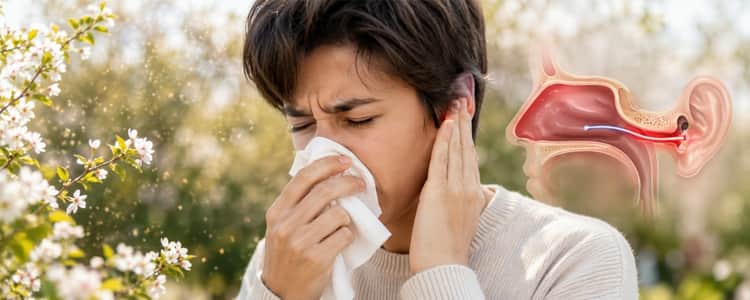
Can Allergies Cause a Blocked-Ear Sensation?
Discover how allergies may lead to a blocked-ear sensation, understand the symptoms involved, and learn when persistent discomfort needs attention.

Everyday Posture Mistakes That Could Be Affecting Your Health
Learn how everyday posture mistakes can contribute to neck, back, and joint discomfort, and discover simple habits to improve alignment and support better health.

Fermented Foods And Gut Bacteria: Is The Hype Justified?
Learn how fermented foods may influence gut bacteria and digestive health, what research says about their benefits, and whether they truly deserve the hype.