
Acidity In The Morning: 5 Easy Tips To Reduce

Acidity is a common digestive system disease. Most people tend to have occasional bouts of acidity. However, having acidity more than twice a week on a regular basis is not considered normal.
Regurgitation of partially digested food, chronic dry cough, hoarseness, chest pain and acidity, and nausea in the morning are signs of worsening acidity. These are indications to seek medical attention at the earliest.
In this article, we will have an overview of acidity in the morning and tips on reducing it.
What Causes Acidity in the Morning?
The food that enters the stomach is prevented from going backwards by a ring of muscle. This is known as the lower oesophagal sphincter (LES). If the LES open too often or does not close completely the acid from the stomach enters the oesophagus. This leads to the problem of acidity.
In many people, the acidity worsens in the morning, especially within the first 20 minutes of rising in the morning. It is then called riser’s reflux.
Other common risk factors that predispose to acid reflux are:-
- Obesity
- Certain food such as carbonated drinks, citrus, chocolate, spicy or fatty food, coffee, tea, alcohol, tomato, garlic or onions.
- Smoking
- Pregnancy
- Certain medications such as painkillers, antibiotics, muscle relaxants or anti-hypertensives.
- Hiatal hernia which is a common stomach abnormality
- Stress
What are the Signs and Symptoms of Acidity?
- Heartburn- It is the most common symptom of acidity. It refers to burning felt behind the area of the breastbone. It aggravates after eating lying down or even bending over.
- When heartburn persists two or more times a week, it is called GERD.
- Regurgitation of bitter or sour-tasting fluid from the stomach into the throat or mouth.
- Dysphagia or difficulty in swallowing along with a feeling that the food is stuck in the throat.
- Chronic sore throat or hoarseness.
- Dry cough
- Chest pain
- Nausea
Also Read Acidity In Night - How Can You Stop Acidity At Night?
What are the Diagnostic Tools for Acidity?
- Endoscopy or imaging through a camera.
- Biopsy
- Barium- X-ray
- Esophageal manometry- It is used to measure the pressure of the esophagus.
- Impedance monitoring-It is used for measuring the rate of fluid movement along the food pipe.
- pH monitoring- It is used for testing acidity.
What are the 5 Tips to Reduce Acidity?
Following are the tips that can help to reduce acidity in the morning:-
TIP 1
Get adequate sleep to elevate the end of the bed by 6-9 inches and sleep with your body raised from your waist.
TIP 2
Avoid eating three hours before going to sleep.
TIP 3
Avoid food items that are well known to cause acidity. These include mint, chocolate, garlic, onion, coffee, and alcohol.
TIP 4
Avoid smoking
TIP 5
Manage stress by exercising regularly, practising stress relaxation techniques like yoga, listening to music, watching funny videos and movies to laugh often, prioritizing the people and activities in your life, and learning to say no to things that are not high on the priority list.
What are the Complications of Acidity?
Acidity is a chronic problem that can cause several severe complications if not treated timely. These include:-
- Esophagitis or inflammation of the esophageal lining-It can cause irritation, bleeding, and even ulceration in the esophagus.
- Strictures or scarring of the esophagus-This leads to difficulty swallowing and the food gets stuck while passing through the esophagus.
- Barrett’s esophagus- In this, changes take place in the cells and tissues present in the esophageal lining due to prolonged exposure to acid from the stomach. These cells can even turn cancerous over time.
Also Read Acid Reflux (GERD) : Symptoms, Causes, Treatment
What is the Treatment for Acidity?
The conventional system of medicine uses antacids H2 receptor blockers and proton pump inhibitors to treat acidity. Such treatment has many shortcomings. These medicines become ineffective if prescribed for a long. Also, if used for long, they can cause many side effects
Homeopathy provides a safe and effective solution to this problem. Homeopathic medicines for acidity help to control acid production and improve digestion.
The Best Homeopathic Medicine for Acidity is the Constitutional Medicine
Commonly indicated homeopathic medicines for acidity and gas are:-
1. Carbo Vegetabilis: It is indicated when there is constrictive pain in the chest along with a distended abdomen. The patient feels better from eructation and constant fanning.
2. Iris Versicolor: It is indicated when there is burning along the whole alimentary canal and frontal headache. There is low appetite, nausea and sour vomiting.
3. Natrum Carb: It is indicated in patients who are always belching, and have acidity and rheumatism. The symptoms aggravate from taking milk and they even have an aversion to it.
4. Nux Vomica: It is indicated that along with acidity there is a frequent and ineffectual urge for vomiting and stools. The tongue is coated white posteriorly. The patient as a person is very irritable due to this suffering.
5. Pulsatilla Nigricans: It is suitable for acidity with a foul taste in the morning. The abdomen gets distended after meals and the patient has to loosen his clothing. The patient is averse to fatty food, warm food and drink. There is thirst lessness with dryness in the mouth.
-
Product on sale
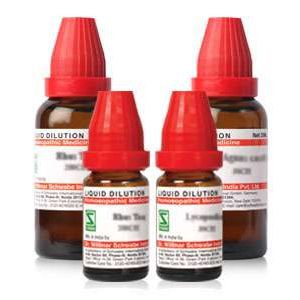 Nux vomica CH
₹110.00₹88.00 -
Product on sale
 Natrum carbonicum CH
₹110.00₹88.00 -
Product on sale
 Iris versicolor CH
₹110.00₹88.00 -
Product on sale
 Carbo vegetabilis CH
₹110.00₹88.00
CONCLUSION
Acidity occurs when gastric acid refluxes or flows back from the stomach into the esophagus. If it happens frequently, it is called GERD. Heartburn, regurgitation of food, dysphagia, nausea, chronic sore throat, and dry cough are the common symptoms of acidity.
In most people acidity aggravates at night. However, many patients experience an aggravation of acidity in the morning. This can be dealt with well by following certain management tips. These include sleeping with the end of bed elevated by 6-9 inches, avoiding lying down at least 3 hrs after meals, and avoiding food items such as coffee, alcohol, garlic, mint, onion, chocolate, alcohol and smoking that trigger acidity.
Furthermore, considering today’s fast-paced and competitive life, patients should practice stress relaxation techniques on regular basis to avoid acidity. For the treatment of acidity, homeopathy provides a safe and effective solution.
More Articles

Daily Habits That May Help Reduce Plantar Fasciitis Discomfort
Learn simple daily habits that may help ease plantar fasciitis discomfort, support foot health, and improve comfort while walking and staying active.

Understanding Sleep Cycles: What Happens to Your Body Every 90 Minutes
Explore the different stages of sleep, how they repeat throughout the night, and what each 90-minute cycle does for your brain, body, and health.

Can Allergies Cause a Blocked-Ear Sensation?
Discover how allergies may lead to a blocked-ear sensation, understand the symptoms involved, and learn when persistent discomfort needs attention.

7 Drinks That May Help Reduce Mild Finger Swelling
Learn about seven hydrating drinks that may help ease mild finger swelling, support circulation, and promote overall fluid balance and joint comfort.

The Link Between Dry Air and Persistent Throat Discomfort
Learn how dry air affects your throat, why discomfort may persist, and explore practical tips to reduce irritation and support better throat health.

DOMS Explained: Why Your Muscles Hurt Two Days After A Workout
Understand delayed-onset muscle soreness (DOMS), why it peaks after workouts, how to manage recovery, and when muscle pain may signal something more serious.