
Swollen Legs After Sitting All Day? Here’s What It Means

This is a common yet uncomfortable feeling experienced by many people in different parts of the world today. Especially in India’s vibrant work culture, where people often observe leg swelling after prolonged periods of sitting, which subsides after a long rest. This swelling and feeling of tightness may be alarming. While often temporary, understanding its implications is crucial for maintaining overall well-being.
Understanding the Physiology Behind Leg Swelling
The human circulatory system relies significantly on muscle movement, particularly in the legs, to efficiently return blood to the heart. When we remain seated for prolonged periods – whether during long commutes, desk-bound workdays, or extended flights – this muscular pump mechanism becomes inactive. Gravity naturally pulls blood and fluid downwards. Without regular muscle contractions, fluid can accumulate in the lower extremities. This process leads directly to oedema in the legs from prolonged sitting, characterised by visible puffiness, a feeling of heaviness, and sometimes slight discomfort.
Also Read Anemia And Heart Health: The Surprising Connection
This stagnation isn’t merely about water retention; it’s indicative of underlying circulation problems in the legs. It minimises blood flow and increases pressure within the veins. Over time, this pressure forces fluid out of the blood vessels and into the tissues around, causing swelling. While occasional, mild leg swelling after prolonged sitting often resolves with movement, persistent or significant swelling warrants attention.
| Factor | Impact on Leg Swelling | Mitigation Insight |
| Duration of Sitting | Longer periods significantly increase the risk | Regular short breaks are essential |
| Hydration Status | Dehydration can paradoxically worsen oedema | Consistent, adequate water intake is key |
| Leg Position | Feet dangling or crossed restrict the flow | Keep feet flat, avoid crossing legs |
| Ambient Temperature | Heat can exacerbate fluid accumulation | Maintain a cool environment when possible |
Recognising When Swelling Requires Medical Attention
While frequently benign, oedema in the legs from sitting can occasionally signal more serious conditions. One significant concern is Deep Vein Thrombosis (DVT), where a blood clot is created in a deep vein, mostly in the leg. Understanding the warning signs of deep vein thrombosis is vital for timely intervention.
Key Differences Between Benign Oedema and Potential DVT:
- Location: Benign swelling typically affects both legs similarly. DVT often presents asymmetrically, predominantly affecting one leg.
- Pain: General heaviness or a dull ache is common with simple oedema. DVT may cause sharp, cramping, or throbbing pain, often deep within the calf.
- Skin Changes: With typical leg swelling after prolonged sitting, skin colour usually remains normal. DVT may cause noticeable redness, warmth to the touch, or unusual discolouration in the affected area.
- Progression: Simple swelling usually improves significantly with elevation and movement. Swelling associated with potential DVT may worsen over hours or days despite rest.
Ignoring persistent circulation problems in the legs or overlooking warning signs of deep vein thrombosis can have serious consequences. Any suspicion of DVT, especially if accompanied by chest pain or breathing difficulties, necessitates immediate medical evaluation.
The Role of Homoeopathy in Supporting Well-being
Homoeopathy operates on the principle of stimulating the body’s inherent self-regulatory mechanisms. For individuals experiencing discomfort associated with leg swelling after prolonged sitting or concerns about circulation problems in the legs, homoeopathy offers a holistic approach focused on individualisation.
Rather than a one-size-fits-all solution, homoeopathy considers the unique presentation of each person. The specific sensations experienced (e.g., heaviness, tingling, heat, coldness), the timing of the swelling, and accompanying symptoms are all carefully evaluated. This personalised assessment aims to select a homoeopathic remedy that resonates most closely with the individual’s overall state.
The goal within this framework is to encourage the body’s natural tendency towards balance in a gentle manner. This may involve supporting the system in managing fluid dynamics more effectively or promoting healthier circulatory responses. It views recurring oedema in legs from sitting not as an isolated symptom but within the context of the individual’s overall vitality. Consistent support over time is typically emphasised.
Also Read Fast Nose Blockage Relief For Kids: A Parent's Guide
Practical Strategies to Complement Daily Life
While exploring supportive approaches like homoeopathy, integrating simple, practical habits can significantly alleviate discomfort associated with prolonged sitting and support better leg health:
- Prioritise Movement Breaks: Set reminders to stand, stretch, or walk for a few minutes every 30-60 minutes. Simple ankle rotations, calf raises, or foot pumps while seated also help activate the muscle pump. Every small movement counters stagnation.
- Optimise Leg Positioning: When seated, ensure your feet may rest flat on the floor or a footrest. Avoid crossing legs for extended periods. During rest, elevate your legs comfortably above the level of your heart for 15-20 minutes several times a day to assist fluid return.
- Maintain Hydration: Consuming enough water throughout the day helps the body manage fluid balance and can paradoxically reduce water retention, which is often worsened by dehydration. Limit excessive caffeine and salty foods.
- Choose Supportive Clothing: Wear comfortable, non-restrictive clothing and footwear that allow for easy movement. Avoid tight socks, stockings, or waistbands that can impede circulation and contribute to circulation problems.
- Stay Mindful of Posture: Maintain good posture while sitting. Slouching can compress abdominal vessels, further hindering blood return from the legs.
- Be Vigilant During Travel: Long journeys significantly increase the risk of leg swelling after prolonged sitting and DVT. Make an extra effort to move frequently, stay hydrated, and incorporate seated exercises into your routine. Recognise the warning signs of deep vein thrombosis promptly.
These practices are supportive measures, not solutions. Persistent or severe oedema in the legs from sitting, especially if unilateral or accompanied by pain or skin changes, necessitates consultation with a healthcare expert to rule out underlying conditions, such as DVT or other circulation problems in the legs.
Proactive Awareness for Leg Health
Swollen legs after sitting serve as a tangible signal from the body, highlighting the need for better circulatory support during sedentary activities. While often manageable with lifestyle adjustments, it’s crucial to distinguish between common, transient oedema and potential red flags. Paying close attention to the warning signs of deep vein thrombosis is non-negotiable for safety.
Homoeopathy presents one avenue of holistic support, focusing on individualised care to encourage the body’s natural balance and resilience, particularly regarding fluid dynamics and circulatory comfort. It emphasises a partnership approach, working alongside sensible lifestyle habits to promote overall leg health and well-being. Awareness and proactive steps form the foundation for managing the discomfort associated with modern, sedentary lifestyles.
Disclaimer: The information offered in this blog is for general informational purposes only and is not intended as a substitute for professional medical opinion, diagnosis, or treatment. Always consult a qualified healthcare expert for any questions you have regarding a medical condition.
More Articles

Doomscrolling and Sleep: How Late-Night Phone Use Affects Rest
Discover how doomscrolling before bed can disrupt sleep, increase alertness, and reduce rest quality, along with practical tips for healthier nighttime phone habits.
Listen to Your Body: A Preventive Approach to Health with Homoeopathy
Explore how homoeopathy encourages preventive healthcare by understanding your body’s signals. Discover holistic wellness practices to support healthier living.
Simple Diet Tips to Ease Acidity and Heartburn
Learn simple dietary changes that may help ease acidity and heartburn, from choosing gentler foods to adjusting meal timing and everyday eating habits.

Simple Habits That May Help Ease Sciatica Discomfort
Learn practical habits that may help reduce sciatica discomfort, improve flexibility, and support better back and leg comfort through everyday care.
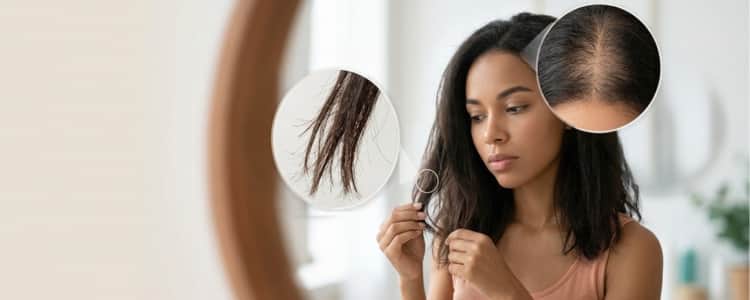
Hair Breakage Vs. Hair Loss: Why Knowing The Difference Matters
Understand how hair breakage differs from hair loss, what causes each, the signs to watch for, and simple hair-care habits that can help protect hair health.
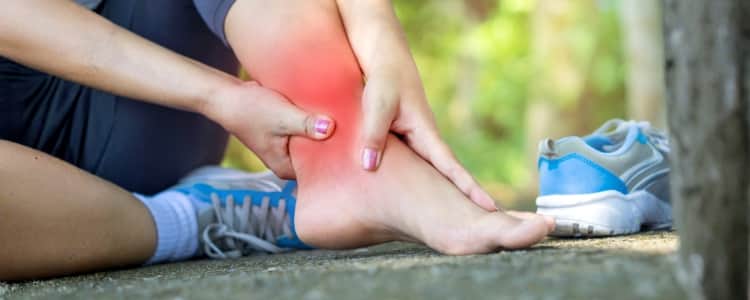
Understanding Mild Ankle Pain Without a Sports Injury
Discover why mild ankle pain can occur without an injury, explore possible causes, recognize symptoms that need attention, and learn practical care tips.